
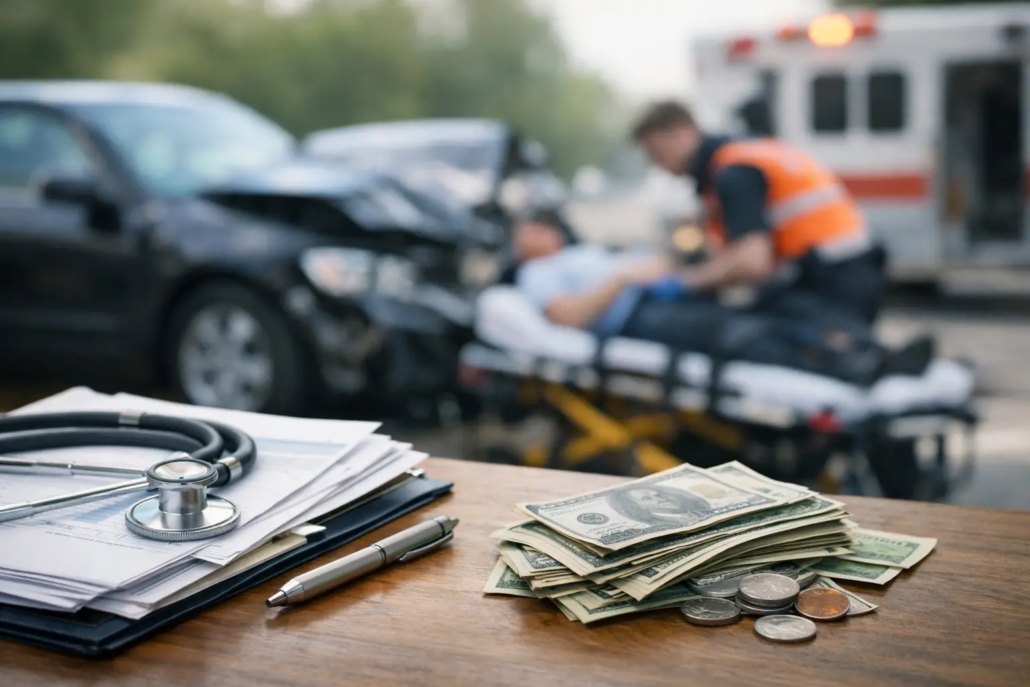
Who Pays Medical Bills After an Accident?
The ambulance ride, emergency room visit, scans, surgery, and follow-up care can start generating bills before you have even had time to process the crash. So, who pays medical bills after accident? In Arkansas, the short answer is often: more than one source may be involved, but the driver who caused the collision usually does not send immediate payment to your providers.
That gap between treatment and a final injury settlement is where many injured people feel trapped. You should not have to choose between getting necessary care and protecting your family from financial pressure. Knowing which coverage may pay now, which party may owe compensation later, and what must be repaid from a recovery can help you make smarter decisions from the start.
Who Pays Medical Bills After an Accident in Arkansas?
Responsibility depends on the facts of the collision, the insurance available, the severity of your injuries, and the type of coverage you carry. Even when another driver clearly caused the crash, their liability insurance company may refuse to pay medical bills as they arrive. Insurers commonly investigate fault, review medical records, and wait to resolve the claim through a settlement.
In the meantime, your own health insurance, auto insurance medical payments coverage, or other benefits may be the practical source of payment. Later, a personal injury claim against the at-fault driver may seek reimbursement for medical expenses, future treatment, lost income, pain and suffering, and other losses allowed by law.
The important distinction is this: paying a bill right now is not the same as accepting ultimate financial responsibility. A strong claim can pursue the full harm caused by someone else’s negligence, even if another insurer initially covered part of your treatment.
Coverage That May Pay for Treatment First
Health insurance
For many people, private health insurance is the fastest way to get doctors, hospitals, specialists, therapy, prescriptions, and imaging paid at negotiated rates. You may still owe deductibles, copays, or coinsurance. Keep every explanation of benefits and every bill, including charges your insurer denied or reduced.
Using health insurance does not automatically weaken an injury case. It can keep collections pressure down while you recover. However, your health plan may later claim reimbursement from a settlement. This is commonly called subrogation or a reimbursement lien. The amount that must be repaid can depend on the plan language, the benefits involved, and the details of the recovery.
Medical payments coverage
Medical payments coverage, often called MedPay, is optional auto insurance coverage that may help pay reasonable medical expenses after a wreck, regardless of who caused it. It may apply to you while driving, riding as a passenger, or sometimes as a pedestrian, depending on the policy.
MedPay can be especially useful when you have a high health insurance deductible or no health insurance at all. But limits are often modest, and it may not cover a serious injury for long. Review your declarations page rather than assuming you have this coverage.
Government benefits and other coverage
Medicare, Medicaid, workers’ compensation, and veterans’ benefits may also pay in the right situation. If you were hurt while working, workers’ compensation may cover authorized care and part of your lost wages, although a separate claim against a negligent third party may still be possible.
These programs have detailed reimbursement rules. Medicare and Medicaid, in particular, cannot simply be ignored when a settlement is reached. Their interests must be addressed correctly before money is distributed.
The at-fault driver’s liability insurance
The at-fault driver’s bodily injury liability coverage is often the central source of compensation in a car, truck, motorcycle, or drunk driving crash. Yet it is usually not a health insurance plan. The adjuster may offer to pay a specific bill in rare cases, but more often the carrier evaluates the complete claim after treatment has progressed or your medical outlook is clearer.
That means an early settlement can be dangerous. If you settle before understanding whether you need surgery, extended therapy, pain management, or future care, you cannot ordinarily return for more money later just because the bills grew.
Uninsured or underinsured motorist coverage
If the person who hurt you has no insurance or too little insurance, your own uninsured or underinsured motorist coverage may become critical. This coverage can compensate for bodily injury losses, subject to the policy terms and available limits. It is not automatic, and insurers may still dispute fault, damages, or coverage. Prompt notice and careful claim handling matter.
Medical Bills Do Not Tell the Whole Story
A settlement should account for more than the balance showing on a hospital statement. A serious wreck can create future treatment needs, reduced earning capacity, missed work, transportation costs, home assistance, and lasting physical pain. Families dealing with catastrophic injuries may also face significant care and support needs that no one anticipated in the first week after a collision.
Insurance companies know that immediate financial stress can push people toward low offers. They may point to a preexisting condition, question whether treatment was necessary, or argue that a treatment gap means you were not badly hurt. That is why consistent medical care and complete documentation are so valuable.
Do not skip appointments because you think the insurance company will eventually pay. If cost is making care difficult, tell the provider’s billing office and speak with an attorney before you abandon recommended treatment. There may be payment arrangements, available coverage, or other options worth exploring.
Watch for Liens and Repayment Claims
A lien is a legal claim against settlement funds for money paid or owed for your care. Hospitals, health insurers, government benefit programs, and certain providers may assert repayment rights. A medical provider may also agree to treat you with payment deferred until your claim resolves, sometimes through a letter of protection.
Deferred treatment can be necessary for someone without other options, but it is not free care. The provider still expects payment, and the charges may be higher than the rates negotiated by health insurance. Before signing paperwork, understand what you owe, when it is due, and whether interest or collection costs may apply.
The final settlement figure is only part of the equation. What matters is the net amount you receive after case costs, valid liens, and other obligations are resolved. An experienced injury lawyer examines those issues early, gathers the necessary records, and works to prevent avoidable surprises at the end of the case.
Steps to Protect Your Claim and Your Finances
The days after a wreck are chaotic, but a few practical actions can protect both your health and your claim:
- Get medical attention promptly and follow the treatment plan your providers recommend.
- Save bills, receipts, prescriptions, insurance letters, and explanations of benefits in one place.
- Report the crash to your insurer, but be careful about giving recorded statements or guessing about your injuries.
- Do not sign a release, accept a quick settlement, or agree to a lien without understanding the consequences.
- Track missed work, mileage to medical appointments, and ways the injury affects daily life.
You do not need to argue with adjusters while you are trying to heal. A personal injury attorney can investigate the crash, identify insurance policies, calculate the losses that matter, manage insurer communications, and fight for compensation that reflects the real cost of the harm.
When the Bills Are Already Piling Up
If collection notices have started arriving, do not assume you have no options. Call the billing department, ask whether the account can be placed on hold while an injury claim is pending, and keep written records of every conversation. Do not ignore court papers or collection notices, but do not panic into paying a disputed amount without first understanding the available coverage and the claim.
For people injured by another driver’s negligence, Elliott & Smith Law Firm can evaluate the situation, take the insurance burden off your shoulders, and pursue the compensation your recovery demands. There is no fee unless there is a recovery.
Your focus should be getting the care you need and giving yourself room to heal. The financial side of an accident may be complicated, but you do not have to face insurance companies, medical providers, and mounting bills alone.


