
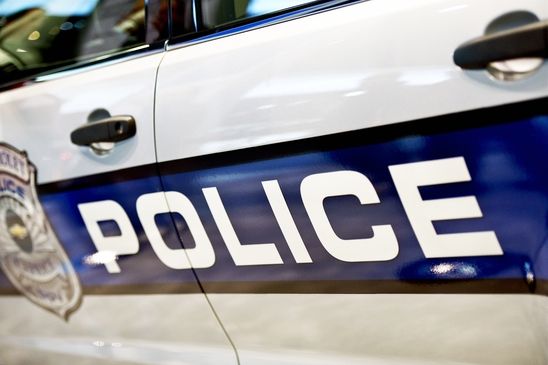
Who will be considered liable if a person is injured or killed during a police chase in Arkansas?
Fayetteville, AR – There were news reports that a suspect will be charged after causing a fatal accident during a police chase in Arkansas.
Suspect will be charged after fatal crash during police chase
A 23-year-old man pleaded guilty to first-degree murder on May 14, 2026, for causing a fatal head-on crash during a high-speed police chase in Fayetteville, Arkansas [1]. The incident occurred on January 13, 2024, when an officer attempted a traffic stop. Instead of complying, the driver fled, leading Arkansas State Police on a dangerous pursuit that reached speeds over 100 mph. The chase wound through a residential neighborhood and one of the city’s largest apartment complexes. Witnesses observed the suspect running a red light and fishtailing into oncoming traffic before colliding head-on with another vehicle near Rupple Road. The driver of the other car was killed instantly. Police described the suspect’s actions as showing extreme indifference to human life. Following the crash, authorities found a loaded .38 caliber revolver inside the suspect’s vehicle. He had prior felony drug convictions. In interviews, the suspect claimed he believed someone was pursuing him to harm him and did not realize the vehicle behind him belonged to law enforcement. He was hospitalized after the collision.The suspect faced charges including first-degree murder, fleeing, and possession of a firearm by a convicted felon. After multiple trial delays, he changed his plea just days before a scheduled jury trial. He received a 20-year prison sentence on the murder charge, with 40 years suspended on the remaining counts running concurrently.The victim, who had recently relocated from California to Northwest Arkansas to begin a new chapter while caring for family, died while simply driving through the area. Relatives questioned the safety of conducting a high-speed pursuit in a busy zone with heavy traffic, roundabouts, and nearby apartment complexes and schools. Law enforcement maintained that responsibility for the tragedy lies with the fleeing driver, emphasizing that officers are trained to stop suspects before such outcomes occur. The case highlights the severe risks of evading police in populated areas.
Who is liable for injuries and damage when an accident happens during a police chase in Arkansas?
In Arkansas, liability for injuries and damage during a police chase primarily falls on the fleeing suspect, with limited exposure for law enforcement due to sovereign immunity protections.
The fleeing driver bears the main responsibility. Arkansas law treats fleeing by vehicle as a serious offense—a Class A misdemeanor that can escalate to a felony if the driver shows extreme indifference to human life or exceeds speed limits, creating substantial danger. Courts and law enforcement consistently hold that the suspect initiates the dangerous situation and controls their vehicle. In fatal crashes, such as head-on collisions, the suspect often faces criminal charges like first-degree murder alongside civil liability for victims’ injuries, medical costs, property damage, and wrongful death claims.
Law enforcement and government entities enjoy strong protections. Arkansas municipalities and political subdivisions have sovereign immunity under Ark. Code Ann. § 21-9-301, shielding them from most tort liability except to the extent of required liability insurance on their vehicles (typically minimum limits of $25,000 per person/$50,000 per occurrence under the Motor Vehicle Safety Responsibility Act). Officers acting in their official capacity generally receive immunity for negligent acts unless they involve malice, bad faith, or intentional misconduct.
Injuries caused solely by the suspect’s driving (e.g., running a red light into oncoming traffic) rarely result in successful suits against police, even if a pursuit occurred. Officers must exercise “due regard” for safety while using emergency lights/sirens, but Arkansas case law, such as City of Caddo Valley v. George, emphasizes that pursuing officers are not typically liable for damage caused by the violator’s vehicle.
Exceptions exist. If evidence shows officers acted with gross negligence, violated department pursuit policies in a way that demonstrates recklessness, or continued a chase under clearly unsafe conditions despite known risks, victims might pursue claims up to insurance limits. Federal constitutional claims (e.g., 14th Amendment substantive due process) require proof of intent to harm, a high bar. Hiring experienced attorneys is crucial to protect your rights.
In practice, innocent victims often recover primarily from the suspect (if insured or collectible) or their own uninsured/underinsured motorist coverage. Government liability remains narrow and capped. Departments train officers to weigh risks, and pursuits in populated areas heighten scrutiny, but ultimate fault usually rests with the person who chose to flee. Individuals injured in such incidents should consult an accident attorney promptly, as claims against governmental entities face strict notice and procedural requirements.
Accident and personal injury attorneys in Fayetteville Arkansas
Elliott & Smith Law Firm handles car accident cases and related personal injury issues.
They can work with local clients in Fayetteville and surrounding areas.

Firm contact info:
4302 North Waterside Court, Fayetteville, AR 72703
479-587-8423
Sources:
- https://www.5newsonline.com/article/news/crime/guilty-murder-deadly-fayetteville-crash-police-chase/527-aea6cd45-1047-4d0c-98f8-c339bcf0800a


