
Could a Defective Motorcycle Part Cause an Arkansas Claim?
A crash can leave a rider with questions that are not answered by looking only at who was driving. If a tire suddenly loses pressure, a brake component fails, or a part breaks in a way that seems unusual, the motorcycle itself may need careful examination. A defective motorcycle part injury claim in Arkansas may involve a different investigation from a claim focused on another driver’s conduct. Riders in Springdale and Fayetteville may need to consider both possibilities while evidence is still available. Elliot & Smith Law Firm helps people understand the issues that can arise when a crash may involve a product defect. This article explains what types of failures may warrant closer attention, how to preserve the motorcycle and related records, and why it can be important to coordinate inspections before repairs or disposal. The circumstances of each crash matter, and a suspected defect alone does not prove that a product caused an injury.
When a Motorcycle Part May Support a Separate Product Claim
A product-related claim may be considered when a component’s design, manufacture, or warnings are alleged to have contributed to a crash or injury. That question is distinct from whether a rider or another road user acted carelessly. In some cases, the available evidence may lead investigators to consider both driver conduct and a possible product issue. Neither possibility rules out the other.
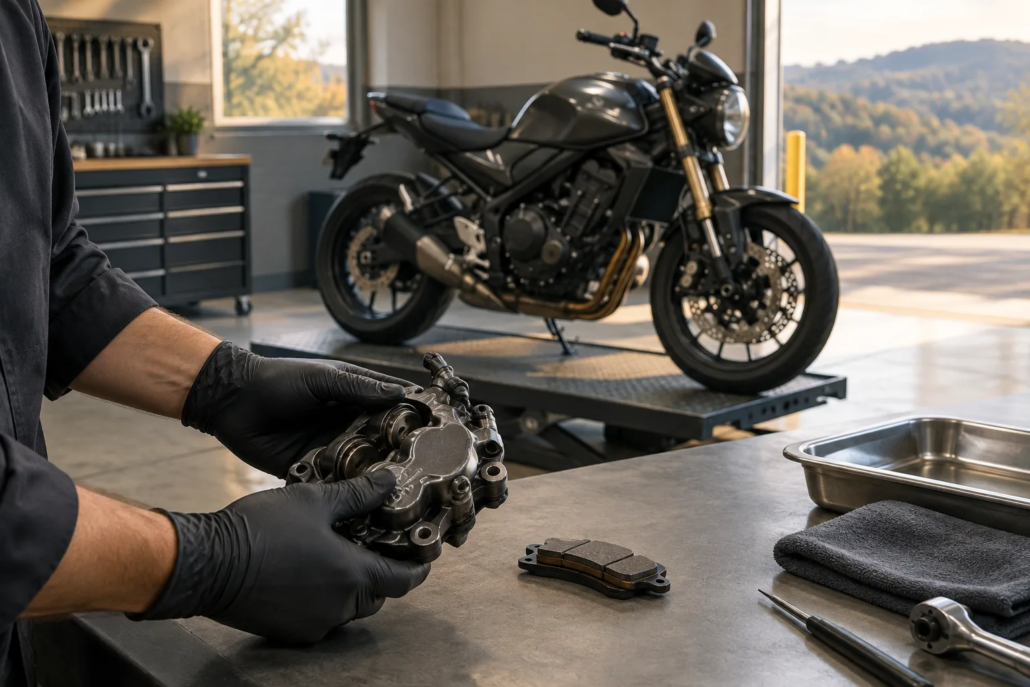
Parts that may merit examination include tires, brakes, steering components, suspension parts, controls, and safety-related equipment. For example, evidence of a sudden tire failure or a brake component that separated may prompt questions about the part’s condition, how it was installed, and whether it was maintained. The same evidence might also have an ordinary explanation, such as crash damage or wear. Determining what happened calls for a fact-specific investigation rather than an assumption based on the appearance of a broken part.
A product claim may also involve different parties from a driver-related claim. Depending on the facts, an investigation could examine the roles of a manufacturer, seller, repair shop, or installer. Arkansas law and the available evidence shape whether a claim is viable. Riders seeking guidance on investigating a defective product injury can review how a product investigation may differ from an ordinary accident inquiry.
What investigators may look for
An examination may consider the component’s condition, fracture or wear patterns, installation, maintenance history, and whether the part was original or aftermarket. Photos, service records, and information about when the part was purchased or installed can help provide context. A single clue rarely answers every question.
Preserve the Motorcycle and the Suspected Part
The motorcycle and the suspected component may be important physical evidence. After a crash, the bike could be moved to a tow yard, repair facility, or storage location. Riders in Springdale or Fayetteville may find it useful to make a record of where the motorcycle is being held and who has access to it, while avoiding changes that could make a later examination more difficult.
If it is safe and practical, photographs can document the motorcycle’s overall condition and close views of the suspected part, surrounding components, and visible damage. Keep original image files when possible. Do not assume a component that looks damaged failed before impact; photographs can document its condition, but they do not by themselves establish the cause.
Preserve records that may help explain the bike’s history, including:
- Purchase and installation receipts for the motorcycle and relevant parts.
- Maintenance and repair invoices, inspection notes, and warranty materials.
- Packaging, manuals, or product information that remains available.
- Tow, storage, and repair paperwork, along with communications about the motorcycle’s condition.
These materials may help an investigator understand the part’s age, service history, and handling after the crash. For broader post-crash documentation considerations, see the Arkansas motorcycle injury claim guide. A product examination may require access to the motorcycle and relevant records, so the handling of evidence should be considered early. The proper process depends on the circumstances and the people or businesses involved.
Before Repairing, Selling, or Disposing of the Motorcycle
A repair or total-loss decision can affect whether a potentially relevant component remains available for inspection. That does not mean every damaged motorcycle must be stored indefinitely or left unrepaired. Storage costs, safety, insurance arrangements, and the rider’s practical needs can all matter. The key is to recognize that replacing a suspected part, authorizing repairs, selling the bike, or allowing it to be salvaged may change the evidence or make access more complicated.
Before work begins, consider documenting the motorcycle’s condition and asking the insurer, storage facility, or repair shop what they plan to do with it and when. Keep communications and copies of estimates. If a part is removed, ask that it be identified and retained rather than discarded, if that is feasible. Do not alter or dismantle a component simply to investigate it; examination by a qualified professional may be important, and handling can affect what can later be learned.
This is particularly relevant when an insurer has declared the motorcycle a total loss or arranged to move it. Riders may want to understand who will possess the bike, whether an inspection can be arranged, and how long it will remain available. The article on how motorcycle repairs and total-loss decisions can affect a claim discusses related property issues.
In a claim involving a Springdale or Fayetteville crash, the appropriate approach may depend on where the crash occurred, who controls the motorcycle, and the facts surrounding the suspected failure. Arkansas legal standards and procedures can vary with the circumstances and may change. An attorney can help assess evidence-preservation questions without assuming that a part was defective or caused the crash.
Frequently Asked Questions
Does a broken motorcycle part automatically mean the part was defective?
No. A part may break because of collision forces, ordinary wear, improper installation, or another cause. Its appearance after a crash does not establish when or why it failed. Investigators may need to consider the component, surrounding damage, maintenance history, and other available evidence. Whether those facts support a product claim depends on the circumstances and applicable Arkansas law.
Can I make a product claim if another driver also contributed to the crash?
Possibly. A crash may involve more than one contributing factor, and a potential product issue does not automatically eliminate questions about driver conduct. The evidence may need to be examined to understand how each factor relates to the collision and injury. Whether claims can proceed, and against whom, depends on the facts and legal standards that apply.
What if the suspected part was an aftermarket upgrade?
An aftermarket component can raise questions about its design, manufacture, selection, or installation. The relevant details may include who made or sold it, who installed it, whether it was compatible with the motorcycle, and how it was maintained. Keep available receipts and installation records. Responsibility cannot be determined from the fact that a part was aftermarket alone.
How long should I keep the motorcycle after a crash?
There is no single storage period that fits every situation. Practical considerations such as storage fees and insurance arrangements may affect the decision, while an inspection may require continued access to the motorcycle or removed parts. Before authorizing disposal or major repairs, a rider may wish to ask a qualified attorney about evidence-preservation options specific to the circumstances.
How Elliot & Smith Law Firm Can Help
Elliot & Smith Law Firm is dedicated to helping injured riders understand the issues that may arise after a motorcycle crash. When a component may have contributed, reviewing available photographs, maintenance records, purchase information, and repair or storage plans can help clarify what questions need further investigation. The firm is committed to fighting for clients’ rights while evaluating each matter on its facts, without assuming that a product defect caused a crash. If you were injured in Springdale, Fayetteville, or elsewhere in Arkansas, contact Elliot & Smith Law Firm to request a free consultation or case evaluation and discuss your situation.
The information in this article is for educational purposes only and does not constitute legal advice. Contact a qualified attorney licensed to practice in Arkansas for advice specific to your situation.


