
Archive for category: Personal Injury

Can No-Contact Motorcycle Crashes Support Arkansas Claims?

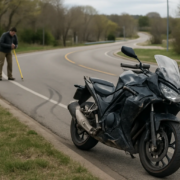
A rider brakes hard, swerves, or leaves the roadway when another vehicle suddenly enters the motorcycle’s path. The vehicles may never touch, but the maneuver can still lead to a serious crash and difficult questions about responsibility. Does a motorcycle rider have a claim after crashing while avoiding another vehicle in Fayetteville, Arkansas? Possibly—but the claim usually depends on evidence connecting the other road user’s conduct to the rider’s decision, crash, injuries, and losses.

A no-contact case can be harder to prove than a conventional collision because there may be no shared vehicle damage or physical point of impact. Still, witness accounts, nearby video, roadway evidence, photographs, and prompt reporting may help establish what happened. A Fayetteville motorcycle accident lawyer at Elliot & Smith Law Firm can evaluate those issues as part of a broader review. This article explains when a no-contact claim may exist, what evidence matters, and how riders can approach insurers and documentation in Arkansas.

Can a No-Contact Motorcycle Accident Support a Claim in Arkansas?

Physical contact is not always required for one person’s conduct to contribute legally to another person’s crash. Generally speaking, the central question is whether the other driver or road user acted negligently and whether that conduct was a reasonably connected cause of the rider’s injuries and losses.

For example, a driver may turn across a motorcycle’s path, merge without adequate clearance, drift into a lane, or fail to yield. The rider may respond by braking or swerving and then lose control. That sequence could support a claim even if the motorcycle never struck the vehicle. However, a rider’s unsupported belief that another vehicle caused the crash may not be enough. The available proof must make the sequence reasonably understandable.

What must be connected?

A claim commonly requires evidence addressing several links:

  • What the other vehicle did or failed to do.
  • Why the rider’s evasive maneuver was a reasonable response to that conduct.
  • How the maneuver led to the crash.
  • What injuries and financial losses followed.

Arkansas law, including comparative-fault principles, may affect how responsibility is evaluated. The outcome can depend on the facts, the available evidence, and the extent to which each person contributed to the event. Laws and procedures can change, so a current Arkansas legal review is important. An Arkansas motorcycle injury claim guide provides additional general information about protecting a claim after a crash.

What Evidence Helps Prove Fault in a No-Contact Motorcycle Crash?

Evidence can disappear quickly. Skid marks may fade, vehicles may move, surveillance systems may overwrite recordings, and witnesses may forget important details. In Fayetteville, Arkansas, a rider or someone assisting the rider may be able to preserve useful information by documenting the scene as soon as reasonably possible and without compromising safety.

Potentially important evidence includes:

  • Names and contact information for eyewitnesses, passengers, nearby workers, and responding personnel.
  • A description of the other vehicle, including its type, color, make, model, distinctive damage, plate details, and direction of travel.
  • Photographs or video of the motorcycle, roadway, lane positions, traffic controls, debris, skid marks, surface conditions, and surrounding sightlines.
  • Nearby businesses, homes, traffic cameras, or other locations that may have captured the event.
  • The date, time, exact location, weather, lighting, and traffic conditions.
  • The incident or crash report and any available photographs or recorded statements.

A rider may also preserve helmet-camera footage, phone photos, navigation data, repair estimates, and messages describing the event. The goal is not to alter or recreate evidence, but to preserve original information and identify sources that may help explain the sequence. More information about evidence that can protect an Arkansas crash claim may help readers organize these materials.

Why prompt reporting matters

When appropriate, contacting emergency services can help create an official record and identify witnesses. A rider should generally prioritize safety and follow instructions from responding personnel. The steps to take after a Fayetteville crash can also help explain immediate reporting, documentation, and follow-up considerations.

What Should a Rider Do After a Motorcycle Crash While Avoiding a Car?

The first priority is safety. If the rider can do so safely, moving away from traffic and requesting assistance may reduce additional danger. A rider should not assume that a lack of vehicle contact means the event is legally or physically insignificant. Prompt documentation can matter later, particularly when the other vehicle leaves or disputes the rider’s account.

A practical evidence-preservation approach may include:

  1. Recording the location and approximate time, including nearby intersections or landmarks.
  2. Asking witnesses for contact information and noting what each person says they observed.
  3. Photographing the roadway and motorcycle from several useful angles, when safe.
  4. Reporting the incident to the appropriate agency and obtaining available report information.
  5. Identifying nearby cameras quickly, since businesses or residences may not retain footage indefinitely.
  6. Keeping medical, repair, income, and other loss-related records in an organized file.

If the other driver leaves, even a partial description may help. The vehicle’s color, body style, direction of travel, unusual markings, plate characters, or visible damage can be relevant. Readers dealing with an unidentified driver can review how to begin a Fayetteville hit-and-run claim, while recognizing that the available remedies depend on the facts and applicable insurance coverage.

Insurance communications also require care. An adjuster may ask for a recorded statement, broad authorization, or an early resolution before fault and injuries are fully evaluated. A rider can review how to handle insurance adjusters after an Arkansas crash before responding to disputed questions. Generally, a lawyer may help assess whether the evidence supports how to prove negligence after an Arkansas accident, including the connection between the other vehicle’s conduct and the rider’s evasive action.

Compensation issues are separate from fault. Depending on the circumstances, documented losses may include accident-related medical expenses, lost income, motorcycle repairs, and non-economic harm. Preserving records can support an evaluation of how an Arkansas injury claim is valued. No particular category or amount is guaranteed, and the facts of each claim matter.

Frequently Asked Questions

Is a no-contact motorcycle crash treated like a hit-and-run?

Not necessarily. A no-contact crash describes the absence of physical impact, while a hit-and-run generally involves a driver leaving after an incident that may create reporting or identification issues. The two situations can overlap when the other vehicle causes an evasive crash and then leaves. In Fayetteville, Arkansas, the facts, available witnesses, reports, and insurance policies may affect how the incident is evaluated.

Can a witness support a motorcycle claim if the witness did not see the crash directly?

Possibly. A person who saw the vehicle’s movement, heard a horn or braking, observed the rider immediately afterward, or noticed the vehicle leaving may have information that helps establish timing and context. Such testimony may not answer every question, but it can complement photographs, video, physical evidence, and the rider’s account. Witness contact information and the person’s specific observations should be preserved accurately.

What if the rider was partly responsible for the crash?

A rider’s conduct does not automatically eliminate every possible claim. Arkansas comparative-fault principles may affect responsibility and the amount of any recovery when more than one person contributed to an event. The analysis can involve speed, positioning, visibility, the evasive maneuver, roadway conditions, and the other driver’s conduct. Because the legal effect depends on the facts, a licensed Arkansas attorney can explain the applicable framework.

How long should a rider preserve crash evidence?

A rider should generally preserve relevant evidence from the time of the crash through the resolution of the claim. Important files can include original photos and videos, witness details, reports, repair records, medical records, wage documentation, and communications with insurers. Digital evidence should not be edited or discarded. Because deadlines and preservation concerns vary by claim and jurisdiction, an attorney can provide guidance specific to the situation.

How Elliot & Smith Law Firm Can Help

Elliot & Smith Law Firm is dedicated to helping Fayetteville riders understand the evidence and legal issues that may arise after a no-contact motorcycle crash. The firm can review the reported sequence of events, witness information, photographs, surveillance leads, vehicle descriptions, reports, insurance communications, and documented losses. Its team is committed to fighting for clients’ rights while recognizing that each Arkansas personal injury matter depends on its own facts and applicable law.

Contact Elliot & Smith Law Firm for a free consultation or case evaluation about a potential no-contact motorcycle accident claim in Fayetteville, Arkansas.

The information in this article is for educational purposes only and does not constitute legal advice. Contact a qualified attorney licensed in Fayetteville, Arkansas for advice specific to your situation.

Where Should Fayetteville Riders Begin a Hit-and-Run Claim?

A motorcycle hit-and-run can leave a rider facing injuries, vehicle damage, and an unanswered insurance question: if the driver is gone, which claim should be opened first? In an Arkansas motorcycle hit-and-run accident, the practical answer often begins with documenting the collision and notifying the rider’s own insurer about potentially applicable coverage—not waiting indefinitely for the other vehicle to be found.

A Fayetteville motorcycle hit and run insurance claim may involve more than one type of coverage. The correct sequence depends on the policy language, the available evidence, the nature of the losses, and whether investigators identify the fleeing driver. Fayetteville motorcycle accident legal guidance can help a rider understand those moving parts without treating an initial insurance decision as a final valuation.

This guide explains what generally comes first, how to help identify the vehicle, how to preserve witnesses and surveillance, and what to consider before communicating with an insurer or accepting a settlement.

Which Fayetteville Motorcycle Hit-and-Run Insurance Claim Comes First?

There is no universal rule that one claim must always be filed before every other claim. In many cases, however, the first practical step is to report the collision to law enforcement and then provide prompt notice to the rider’s own insurance carrier. That notice may open an investigation and allow the carrier to evaluate medical-payments, collision, or uninsured motorist coverage, depending on the policy.

Start with safety, medical attention, and a police report

After a crash in Fayetteville, call 911 when emergency assistance is needed. Avoid pursuing the fleeing vehicle. If reasonably able, record the location, direction of travel, time, weather, lane position, vehicle description, and visible damage. A medical professional—not an insurer or lawyer—should evaluate any physical condition or symptoms.

A report from the Fayetteville Police Department may be important when the collision occurs within city limits. A crash outside the city may involve another investigating agency, such as the Washington County Sheriff’s Office or the Arkansas State Police. The appropriate agency and reporting process can depend on where the collision occurred. For a local checklist, review the first steps after a Fayetteville crash.

Why your own policy may matter

If the driver remains unidentified, an uninsured motorist claim may become the principal path for pursuing compensation for covered bodily injuries. Property damage may instead implicate collision coverage or another policy provision. Medical-payments coverage, if included, may address certain accident-related bills without deciding who caused the crash. These coverages are policy-specific, and a claim under one provision does not automatically resolve every loss.

How Can You Help Identify the Fleeing Vehicle in Fayetteville?

The second priority is helping investigators identify the vehicle without compromising safety or evidence. Even a partial detail can matter when combined with other information. Riders should preserve what they know rather than guessing about details they did not clearly observe.

  • A partial license plate, even if only a few characters or the plate’s color and format are remembered.
  • The vehicle’s approximate make, model, body style, color, direction of travel, and distinctive damage.
  • Paint transfer, broken parts, mirror fragments, or other debris left at the collision scene.
  • Names and contact information for witnesses, including drivers, pedestrians, nearby workers, or passengers.
  • Nearby businesses, residences, traffic cameras, or private security systems that may have captured the roadway.

Provide these details to the investigating officer and keep a personal record of when and to whom they were reported. Do not confront a suspected driver or publish an accusation online. Information that helps identify a fleeing vehicle after a Fayetteville hit-and-run is most useful when preserved neutrally and supplied through appropriate channels.

Video can disappear through routine overwriting. As soon as practical, a rider or representative may contact nearby property owners and ask them to preserve footage from the relevant time window. The request should identify the approximate date, time, and location without demanding access or making unsupported accusations. A lawyer may be able to send a formal preservation request when appropriate. Additional discussion of identification evidence appears in ways to identify a fleeing vehicle after a Fayetteville hit-and-run.

What Evidence and Insurance Steps Protect the Claim?

Once the collision is reported and identification efforts are underway, preserve evidence and communicate carefully with insurers. The goal is not to create a perfect file immediately; it is to prevent useful information from being lost and to avoid statements that unintentionally narrow the claim.

Preserve the scene and loss records

If safety permits, photograph the motorcycle, clothing, helmet, roadway, debris, skid marks, nearby signals, and surrounding conditions. Keep original photos and videos rather than relying only on edited or compressed copies. Save helmet-camera footage, phone recordings, dash-camera files from witnesses, repair estimates, towing invoices, medical records, wage documentation, and contact information for people who observed the crash.

A rider may find the best evidence to preserve after an injury accident useful when organizing this material. Do not alter, discard, or repair damaged equipment before it has been documented if doing so could erase relevant evidence. Medical records should be obtained and handled through appropriate providers and authorizations; this article does not diagnose conditions or recommend treatment.

Notify the insurer, but understand the conversation

Promptly notifying the motorcycle insurer is often important because policies may contain notice requirements. The rider can report the basic facts: the date, location, apparent hit-and-run circumstances, injuries being evaluated, and property damage. The carrier may ask for a recorded statement, medical authorization, photographs, or other documents.

Read the policy and ask which coverage is being evaluated. Keep communications factual, avoid speculation, and do not sign a release simply because an adjuster presents one. A carrier’s investigation is not a substitute for preserving independent evidence. For practical communication guidance, see how to handle insurance adjusters after a crash.

Review uninsured motorist coverage in Arkansas

Arkansas insurance rules and policy terms govern whether uninsured motorist coverage applies to a particular motorcycle hit-and-run. A hit-and-run driver may be treated as uninsured for coverage purposes, but the policy may impose conditions for proving that contact with an unidentified vehicle occurred or that the collision happened as reported. Household policies, medical-payments coverage, and other potentially relevant policies may also need review.

An Arkansas motorcycle injury claim guide offers broader context for examining coverage and losses. Laws and insurance requirements vary by jurisdiction and may change after publication, so a Fayetteville rider should have the current policy and facts reviewed rather than relying on a general assumption.

Before accepting money, consider whether the proposed payment addresses medical expenses, lost income, pain and suffering, motorcycle damage, safety equipment, applicable policy limits, liens, and possible future losses. A release can affect later claims. Information about whether a Fayetteville motorcycle settlement offer is fair may help explain why early evaluation matters.

When Should a Rider Consider Professional Claim Guidance?

A rider may face greater complexity when the vehicle cannot be found, witnesses disagree, surveillance is at risk of being overwritten, or an insurer disputes whether uninsured motorist coverage applies. Multiple policies can create additional notice and documentation questions. The rider may also need to consider Arkansas deadlines, which depend on the nature of the claim and the parties involved.

Common mistakes include:

  • Waiting to report the collision because the driver might later be located.
  • Guessing about speed, distance, or vehicle details when speaking with an adjuster.
  • Failing to preserve damaged gear, photographs, or original video files.
  • Giving a recorded statement or signing a release before understanding its scope.
  • Assuming property damage coverage and bodily-injury coverage follow the same rules.
  • Posting crash photographs or accusations publicly while an investigation is pending.

A consultation does not require a rider to pursue a particular claim or accept a particular strategy. Depending on the circumstances, when to call an Arkansas personal injury lawyer may be helpful before important evidence or coverage rights become harder to evaluate. An attorney can review the policy, reports, evidence, communications, and potential deadlines in the context of Arkansas law.

Frequently Asked Questions

Can I file an uninsured motorist claim if the hit-and-run driver is never found?

Possibly. In Arkansas, an unidentified hit-and-run driver may fall within the type of event addressed by uninsured motorist coverage, but the policy and facts control. The carrier may require prompt notice, cooperation with the investigation, a police report, and proof supporting the collision and injuries. Coverage may also depend on policy definitions and conditions. A licensed attorney can review the applicable policy and circumstances.

Should I wait to contact my insurer until police identify the motorcycle or car?

Generally, waiting may create avoidable notice issues because insurance policies can require prompt reporting. A rider can usually provide a factual initial report while explaining that the driver remains unidentified and that the investigation is continuing. The insurer may then explain what coverage review and documentation it requires. Before giving a recorded statement or signing documents, a rider may consider obtaining advice specific to the policy.

What if nearby surveillance video is deleted before police request it?

Act quickly to identify possible cameras and ask the owner or custodian to preserve footage from the relevant time period. Do not alter or misrepresent the recording. Keep notes about the location, contact person, date of the request, and response. If the footage is important and voluntary preservation is uncertain, an attorney may explain lawful options for seeking or preserving evidence.

Can I recover for motorcycle damage and injuries through the same claim?

Not necessarily. Property damage and bodily-injury losses may be evaluated under different coverage provisions, deductibles, exclusions, limits, and proof requirements. Collision coverage may be relevant to motorcycle damage, while uninsured motorist coverage may address qualifying bodily injuries. Medical-payments coverage may operate differently again. The answer depends on the policy language, the evidence, and Arkansas law applicable to the Fayetteville collision.

How Elliot & Smith Law Firm Can Help

Elliot & Smith Law Firm is dedicated to helping Fayetteville riders understand the insurance and evidence issues that can follow an unidentified-driver collision. The firm is committed to fighting for clients’ rights while carefully evaluating police reports, witness information, video, policy language, medical documentation, property damage, and insurer communications.

When a Fayetteville motorcycle hit-and-run insurance claim involves disputed coverage, serious injuries, or a possible early settlement, the team is ready to evaluate the situation and explain available legal options. Contact Elliot & Smith Law Firm for a free consultation or case evaluation.

The information in this article is for educational purposes only and does not constitute legal advice. Contact a qualified attorney licensed in Fayetteville, Arkansas for advice specific to your situation.

What Evidence Matters in a Fayetteville Road Hazard Claim?

A rider rounds a familiar Fayetteville street and suddenly encounters loose gravel, a deep pothole, standing water, or an uneven lane edge. A quick maneuver may not be enough to keep a motorcycle upright. When that happens, people often ask: when can an Arkansas road hazard contribute to a Fayetteville motorcycle accident, and what information could connect the roadway condition to the crash?

A Fayetteville motorcycle accident road hazard claim can involve more than showing that a dangerous condition existed. Generally speaking, the evidence must help explain what happened, where it happened, who controlled or maintained the location, and whether the condition may have been known or reasonably discoverable. Public-road claims can also involve special Arkansas rules and defenses, while private construction sites or parking areas may raise different questions.

Elliot & Smith Law Firm helps injured people evaluate these issues in an organized way. This article discusses common roadway hazards, evidence that may matter, possible responsible entities, and why prompt investigation can be important. It is general information, not a prediction about any particular claim.

When Can an Arkansas Road Hazard Contribute to a Fayetteville Motorcycle Accident?

A roadway condition may be relevant when it played a meaningful role in the loss of control or collision. The condition does not necessarily have to be the only cause. For example, a motorcycle could encounter a pothole, swerve around it, and collide with another vehicle or roadside object. The legal analysis may examine the full sequence rather than only the point of impact.

Road conditions that may matter

Potential hazards include:

  • Potholes, broken pavement, or abrupt pavement edges
  • Gravel, mud, construction materials, or other roadway debris
  • Uneven surfaces between lanes or recently repaired sections
  • Standing water caused by drainage problems
  • Missing, inadequate, or obscured warnings near construction or roadway changes
  • Objects or conditions that make a lane unexpectedly difficult to navigate

The physical appearance of a hazard is only one part of the inquiry. Its size, depth, visibility, location, duration, lighting, traffic pattern, and relationship to the motorcycle’s path may also matter. Weather and roadway maintenance records can provide additional context.

In Fayetteville, Arkansas, responsibility may depend on who owned, controlled, maintained, or performed work at the location. That could involve the City of Fayetteville, Washington County, the Arkansas Department of Transportation, a private contractor, a property owner, or another entity. Road ownership and maintenance responsibilities are not always obvious from a crash scene.

What Evidence Supports a Fayetteville Motorcycle Accident Road Hazard Claim?

Prompt evidence collection can help preserve details that may change quickly. A hazard could be repaired, covered, moved, or altered by traffic and weather. Photos taken from safe locations may show the condition, lane position, sight distance, surrounding signs, lighting, and nearby landmarks. Images should not require anyone to stand in traffic or return to an unsafe area.

Information that may help establish notice

A claim involving a public or private roadway may require investigation into whether the responsible entity knew, or should reasonably have known, about the condition. Depending on the circumstances, potentially relevant information can include:

  1. The exact location, direction of travel, lane, and approximate path of the motorcycle.
  2. Photographs or video of the hazard and the surrounding roadway.
  3. Names and contact information for witnesses who saw the condition or the crash.
  4. Police, fire, towing, or emergency-response records, when available.
  5. Prior complaints, work orders, inspection records, repair logs, or maintenance schedules.
  6. Construction plans, contractor records, traffic-control materials, and warning placement.
  7. Nearby surveillance or vehicle-camera footage that may be preserved before it is overwritten.

A report that merely says a motorcycle “lost control” may not capture the roadway condition. Riders and witnesses can provide information to investigators, but they should avoid guessing about facts they did not observe. A prompt attorney review may help identify preservation requests and the appropriate record sources.

For claims arising in Fayetteville, Arkansas, the proper agency or entity may depend on the road segment and the nature of the hazard. Arkansas rules affecting claims against governmental entities can differ from rules involving private parties. Deadlines, notice requirements, immunity issues, and procedural steps may also vary by jurisdiction and should be evaluated using current law.

Who May Be Responsible for a Dangerous Roadway in Arkansas?

Identifying a potential defendant is a fact-specific process. The entity that owns a road may not be the same entity that performs repairs, manages a construction zone, controls drainage, or places warning devices. A commercial parking lot, apartment entrance, private access road, or construction site may involve different ownership and maintenance arrangements.

Possible categories of responsible parties may include:

  • A public agency with a maintenance or traffic-control role
  • A contractor or subcontractor performing roadway or utility work
  • A commercial property owner or premises manager
  • A party responsible for transporting or securing materials that reached the roadway
  • Another road user whose conduct created or worsened the hazard

A rider’s own actions may also become part of the analysis. Speed, visibility, weather, traffic, avoidance options, and compliance with roadway rules can be examined. Arkansas follows comparative-fault principles, but the effect of any assigned fault depends on the facts and current Arkansas law. This is one reason a roadway condition should be documented without assuming that either the rider or a public agency is automatically responsible.

Common mistakes include waiting too long to identify the exact location, relying only on a general crash report, discarding damaged riding equipment, or posting speculative statements online. A person may also contact an agency or insurer without understanding what information should be preserved. Depending on the circumstances, an attorney may help organize evidence, investigate ownership and notice, and communicate with involved parties while protecting the client’s legal interests.

Frequently Asked Questions

Can a pothole cause a motorcycle accident claim in Arkansas?

A pothole may support a claim when evidence connects the condition to the crash and supports a legally responsible party’s duty or liability. Important facts can include the pothole’s location, size, visibility, duration, prior reports, and who controlled the roadway. Claims involving Arkansas public entities may involve special rules and defenses. A lawyer can evaluate the available evidence and identify issues that may affect the claim.

What should I record after a road debris motorcycle accident in Fayetteville?

If it is safe, record the exact roadway, travel direction, lane, nearby landmarks, weather, lighting, traffic conditions, and the hazard’s appearance. Photograph the motorcycle and roadway from safe positions, and obtain witness contact information. Do not interfere with traffic or put yourself at risk. Preserve relevant clothing, helmet, motorcycle parts, and digital footage, and avoid making unsupported conclusions about fault.

How can I find out who maintains a Fayetteville roadway?

Road ownership and maintenance responsibility may involve the City of Fayetteville, Washington County, the Arkansas Department of Transportation, a contractor, or a private owner. The road’s location, classification, and nearby construction can matter. Public records, work orders, permits, contracts, and agency responses may help clarify responsibility. Because the correct entity is not always apparent at the scene, an investigation may be useful.

Does a warning sign eliminate responsibility for a dangerous roadway?

Not necessarily. The adequacy, visibility, placement, timing, and relevance of a warning may be disputed, and a sign may not address every condition. Other facts can include whether the hazard changed, whether the warning was obscured, and whether traffic was directed safely. The effect of a warning depends on the circumstances and applicable Arkansas law, so it should not be treated as conclusive by itself.

How Elliot & Smith Law Firm Can Help

Elliot & Smith Law Firm is dedicated to helping Fayetteville motorcycle riders understand the evidence and legal issues that may arise after a roadway-related crash. The firm can review photographs, witness information, crash materials, roadway conditions, and available records while considering whether a public agency, contractor, property owner, or another party may be involved.

The team is committed to fighting for clients’ rights and is ready to evaluate your situation in light of the facts and applicable Arkansas law. If you or a family member is dealing with a possible motorcycle accident road hazard claim, contact Elliot & Smith Law Firm for a free consultation or case evaluation.

The information in this article is for educational purposes only and does not constitute legal advice. Contact a qualified attorney licensed in Fayetteville, Arkansas for advice specific to your situation.

Can Other-Driver Fault Outweigh Helmet Issues in Arkansas?

A motorcycle ride through Fayetteville can change quickly when another vehicle turns across a rider’s path, changes lanes, or fails to yield. After the crash, an injured rider may ask an urgent question: Does Not Wearing a Helmet Affect a Fayetteville Rider’s Injury Claim? The short answer is that helmet use may become part of the evidence, but it does not automatically determine who caused the collision or eliminate every potential claim.

The Arkansas motorcycle accident helmet law injury claim question usually involves several separate issues. Was the rider required to wear a helmet under Arkansas law? What injuries occurred? Could helmet use have affected a particular injury? What did the other driver do, and what do the available records show? Elliot & Smith Law Firm can help readers understand these issues while evaluating the evidence in context. This article explains the role of helmet evidence, comparative responsibility, medical findings, photographs, witness accounts, and the claims process in Fayetteville, Arkansas.

How Can Helmet Use Affect an Arkansas Motorcycle Accident Injury Claim?

Arkansas does not apply one simple helmet rule to every rider in every situation. Generally, Arkansas law has required motorcycle operators and passengers under a specified age to wear protective headgear that meets applicable requirements. Rules may also address protective eyewear and other equipment. Because statutes and regulations can change, the current law and the rider’s age and circumstances should be reviewed for the specific crash in Fayetteville, Arkansas.

Even when a rider may have violated a helmet requirement, that fact is not necessarily the same as proof that the rider caused the collision. A helmet issue usually relates most directly to the extent or type of injury. The legal analysis may ask whether the absence of a helmet contributed to a particular harm, rather than assuming it caused every injury claimed.

Injury type and causation are separate questions

A collision may cause many kinds of harm, including orthopedic injuries, road rash, internal injuries, or head and neck trauma. Helmet evidence may be especially relevant when a dispute concerns a head injury. It may be less directly connected to an injury involving another body part. Determining what caused an injury can involve medical records, diagnostic findings, photographs, testimony, and opinions from qualified professionals.

The other driver’s conduct remains important. A rider’s lack of head protection does not, by itself, explain why a vehicle struck the motorcycle, entered the rider’s lane, or failed to observe traffic. Liability for the crash and the extent of damages are related but distinct parts of an injury claim.

What Evidence Helps Evaluate a Fayetteville Motorcycle Accident Helmet Claim?

Insurance companies and attorneys may examine the full record rather than relying on a single statement about helmet use. Evidence can help clarify both how the crash happened and which injuries may be connected to the collision or to the lack of protective equipment.

Relevant materials may include:

  • The crash report and photographs of the roadway, motorcycle, vehicles, and protective equipment
  • Photographs taken soon after the collision showing visible injuries, clothing, damage, and the helmet’s condition, if one was worn
  • Emergency-response records, hospital records, imaging reports, and follow-up treatment records
  • Statements from people who saw the collision, its immediate aftermath, or the rider’s condition
  • Vehicle damage patterns, skid marks, debris, video footage, and available electronic records
  • Communications with insurers and statements made during claim investigations
  • Employment or activity records when the injuries affect work or ordinary daily activities

A crash report may document whether a helmet was observed, but it may not resolve medical causation. Similarly, a photograph can show damage or an injury’s appearance without proving precisely how that injury occurred. Records should be considered together and in context.

Fayetteville cases may involve reports from local law enforcement or other responding agencies, and a claim may eventually be evaluated under Arkansas civil law. County venue, insurance coverage, available witnesses, and the location of the collision can affect the practical process. Laws and procedures vary by location and may have changed since publication, so a Fayetteville, Arkansas attorney may review the current rules before giving case-specific guidance.

How Does Motorcycle Comparative Fault Work in Arkansas?

Arkansas uses a comparative-fault framework in which responsibility may be assigned among the parties. In general terms, a claimant’s recovery may be reduced by the claimant’s percentage of fault. Arkansas law also includes a threshold that can prevent recovery when a claimant’s responsibility reaches the applicable limit. The precise application depends on the facts, the claims asserted, and the current law.

A defense may argue that not wearing a helmet should reduce damages or otherwise affect the claim. That argument does not automatically establish a percentage of fault. The significance of helmet evidence may depend on questions such as:

  1. Was the rider legally required to wear a helmet?
  2. What specific injuries are being claimed?
  3. Is there reliable evidence connecting helmet use to those injuries?
  4. Did another driver’s conduct cause the collision?
  5. What other facts may support or challenge each side’s account?

Common mistakes after a crash

Riders sometimes assume that an equipment issue means they have no rights, so they do not preserve evidence or seek timely legal information. Others may make broad statements to an insurer before understanding the medical record or the collision evidence. Destroying damaged protective gear, overlooking witnesses, or failing to document the motorcycle and roadway can also make later evaluation more difficult.

Generally speaking, preserving available evidence and keeping communications accurate can help create a clearer record. Depending on the circumstances, an attorney may advise obtaining the crash report, identifying witnesses, organizing treatment records, and reviewing insurance coverage. These steps do not guarantee a particular result, but they may help distinguish questions about helmet-related injuries from questions about the other driver’s responsibility.

Frequently Asked Questions

Can I bring a claim if I was not wearing a motorcycle helmet in Arkansas?

Possibly. Not wearing a helmet does not automatically eliminate a rider’s potential claim. The analysis may involve whether Arkansas law required helmet use, whether the other party was negligent, what injuries occurred, and whether helmet use is connected to a particular injury. Comparative responsibility may affect damages under Arkansas law. A licensed attorney can review the facts and current law applicable to a Fayetteville, Arkansas collision.

Does a helmet violation prove that I caused the motorcycle crash?

No. A helmet violation and responsibility for causing a collision are generally separate issues. Evidence about helmet use may be relevant to the severity or causation of a head injury, while traffic evidence may show whether another driver failed to yield, crossed a lane, or acted otherwise negligently. The effect of the evidence depends on the injury claims and facts developed in the investigation.

What if my helmet was damaged or lost after the crash?

A damaged helmet may provide useful evidence, so preserving it can be important when reasonably possible. If it is unavailable, photographs, witness accounts, purchase or maintenance information, crash-scene evidence, and medical records may still help establish relevant facts. These materials may not answer every causation question, but they can contribute to a fuller evaluation of the Fayetteville motorcycle accident claim.

How long do I have to evaluate a Fayetteville motorcycle injury claim?

Arkansas deadlines can depend on the type of claim, the parties involved, and other circumstances. A filing deadline is different from the time needed to investigate helmet evidence, medical findings, insurance coverage, and witness accounts. Because missing a deadline can affect legal rights, a rider may wish to obtain advice from a qualified Arkansas attorney promptly rather than relying on a general online timeline.

How Elliot & Smith Law Firm Can Help

Elliot & Smith Law Firm is dedicated to helping injured people understand the evidence and legal issues that may shape a personal injury claim. The firm can review available crash records, photographs, medical documentation, witness information, and insurance communications to help evaluate how helmet use relates to the claimed injuries and the other driver’s conduct.

The team is committed to fighting for clients’ rights while explaining the process in clear, practical terms. If you were injured in a motorcycle collision, Elliot & Smith Law Firm is ready to evaluate your situation. Contact the firm for a free consultation or case evaluation and to discuss your legal options.

The information in this article is for educational purposes only and does not constitute legal advice. Contact a qualified attorney licensed in Fayetteville, Arkansas for advice specific to your situation.

Is a Fayetteville Motorcycle Accident Settlement Offer Fair?

A settlement offer can arrive before an injured motorcyclist knows how long recovery will take, whether additional care may be needed, or how much time away from work will cost. That timing raises an important question: is a Fayetteville motorcycle accident settlement offer fair, or is it too early to accept?

In Fayetteville, riders may receive an offer from an insurer soon after a crash. The proposal may appear helpful when bills are arriving and the motorcycle needs repairs. However, accepting it usually involves signing a release that can affect claims for losses not yet fully understood. Elliot & Smith Law Firm helps injured people evaluate the issues that can matter before they make an informed decision.

This article provides a practical checklist. It explains how to review the release, unresolved treatment, possible future care, wage documentation, motorcycle value, liens or reimbursement claims, and whether the offer addresses all claimed losses. It is general information, not a substitute for reviewing your circumstances with a licensed attorney.

What to Review in a Fayetteville Motorcycle Accident Settlement Offer

An early offer is not automatically improper or inadequate. Its timing and terms should be evaluated against the information available about the crash and its consequences. A rider may not yet have complete bills, repair estimates, income records, or a reliable understanding of the claim’s full scope.

Read the release before considering the amount

The release is often as important as the dollar figure. It may describe which parties, claims, injuries, and types of damages are being released. Some documents may also address property damage or claims involving more than one insurance policy. A signed release can limit the ability to seek additional compensation later, depending on its language and applicable law.

Before signing, a reader may want to identify whether the document:

  • Releases only the bodily injury claim or also the motorcycle and other property claims;
  • Covers known and unknown injuries or future consequences;
  • Names every potentially responsible party and insurer;
  • Allocates any portion of the payment to specific losses; and
  • Addresses attorney fees, case expenses, liens, or reimbursement claims.

Generally speaking, a settlement should be assessed as a complete resolution, not simply as money available immediately. In Fayetteville, Arkansas, the wording of the proposed release and the facts of the collision can make a meaningful difference.

Check whether treatment is complete enough to evaluate the claim

A settlement may be premature when symptoms, functional limits, or the need for follow-up care remain uncertain. Readers should not rely on an article to predict a diagnosis or future treatment. Instead, they may consider whether the available records and information show a sufficiently clear picture of past losses and reasonably anticipated needs.

Does the Offer Account for Future Losses and Property Damage?

A motorcycle accident claim can involve more than an initial emergency bill. The evaluation may include past and anticipated care, lost income, reduced work capacity, damaged riding gear, towing, storage, and the motorcycle’s repair or replacement value. The offer should be compared with documented losses and the categories identified in the release.

Use records, not estimates, where possible

A practical review may include:

  1. Medical bills and available records related to the crash.
  2. Information about appointments, restrictions, or follow-up care, without attempting to make a medical prediction.
  3. Pay statements, schedules, tax records, employer verification, or other documentation of missed work.
  4. Repair estimates, photographs, maintenance records, and comparable-market information for the motorcycle.
  5. Receipts for towing, storage, protective equipment, transportation, and other accident-related expenses.
  6. Insurance correspondence identifying payments, deductibles, coverage limits, and proposed releases.

A damaged motorcycle may be evaluated as a repairable vehicle or a total loss. Those evaluations can involve the motorcycle’s pre-crash condition, accessories, mileage, comparable listings, salvage treatment, and applicable policy terms. A quick estimate may not capture every relevant detail.

Consider liens and reimbursement claims

Health insurers, government benefit programs, or other entities may assert a right to reimbursement from a settlement in some circumstances. The existence, amount, and validity of any such claim can depend on the plan, payment source, and governing rules. A settlement offer that ignores these obligations may not show what the rider will actually retain.

For a claim arising in Fayetteville, Arkansas, local records may include a Fayetteville Police Department crash report, employer documents, repair records, and correspondence with insurers. Depending on the case, a lawyer may also review materials relevant to proceedings in Washington County or other appropriate Arkansas venues. Courts, filing rules, and deadlines vary by location and may change after publication.

A Decision Checklist Before Accepting an Early Insurance Offer

When deciding whether to accept a motorcycle accident settlement, a rider can organize the proposal and supporting records in one place. The goal is not to delay every settlement. It is to identify unanswered questions before a release becomes binding or difficult to undo.

Ask whether:

  • The offer identifies all claimed losses, including bodily injury, income, expenses, and motorcycle damage;
  • Treatment information is sufficiently developed to understand past and reasonably foreseeable needs;
  • Wage loss is supported by records rather than a rough estimate;
  • The motorcycle valuation accounts for condition, accessories, repairs, and comparable value;
  • Insurance coverage and policy limits have been properly identified;
  • Liens, reimbursement claims, deductibles, and case expenses are addressed;
  • The release matches the payment and does not waive claims the rider intended to preserve; and
  • The proposal accounts for every person or entity whose conduct or insurance may be relevant.

Common mistakes that can complicate evaluation

One common mistake is treating an insurer’s first proposal as a final measure of claim value. Another is signing a broad release while assuming additional bills can later be submitted. Riders may also overlook wage documentation, accept a property-damage figure without reviewing comparable values, or fail to ask how reimbursement claims affect the net payment.

In Arkansas, deadlines may apply to personal injury and property claims, and different rules may affect claims involving government entities, minors, or multiple parties. Because the applicable deadline and legal issues depend on the facts, a Fayetteville rider may benefit from timely legal review rather than relying on a general online checklist alone.

Frequently Asked Questions

Should I accept a motorcycle accident settlement if I need money for immediate expenses?

Immediate financial pressure is understandable, but it does not by itself show whether an offer covers the claim. Before accepting, consider whether the payment resolves only certain losses or requires a broad release. An attorney licensed in Arkansas can review the proposal, explain potential implications, and discuss available options based on the records and circumstances.

Can I negotiate a Fayetteville motorcycle accident settlement offer?

Settlement discussions may be possible, but the process depends on the evidence, insurance coverage, liability issues, and release language. A counterproposal is not guaranteed to succeed, and making one can affect negotiations. A lawyer may be able to help organize supporting documentation and communicate about the losses being claimed.

What happens if the other driver has limited insurance coverage?

Limited coverage can affect the practical value of a claim, but it does not answer every question. The available policies, applicable coverage, possible additional insured parties, and the rider’s own coverage may require review. Policy terms and Arkansas law control, so readers should avoid assuming that one insurer’s offer reflects every available source of recovery.

Does motorcycle damage have to be settled separately from an injury claim?

Property damage and bodily injury may be discussed together or separately, depending on the insurer, policies, and settlement documents. A release may address one category, both categories, or broader claims. Before signing, review whether the proposed payment resolves motorcycle damage, gear, towing, and storage as well as injury-related losses.

How Elliot & Smith Law Firm Can Help

Elliot & Smith Law Firm is dedicated to helping Fayetteville motorcycle accident victims understand settlement proposals and the issues that can affect a personal injury claim. The firm can evaluate available records, review release language, examine documentation for treatment, wages, property damage, and expenses, and discuss questions involving insurance or reimbursement claims.

The team is committed to fighting for clients’ rights while providing information about available legal options. If you received an early insurance offer after a motorcycle crash, contact Elliot & Smith Law Firm for a free consultation or case evaluation. The firm is ready to evaluate your situation and explain possible next steps without promising a particular outcome.

The information in this article is for educational purposes only and does not constitute legal advice. Contact a qualified attorney licensed in Fayetteville, Arkansas for advice specific to your situation.

What Can a Fayetteville Trucking Company Report Reveal?

A collision involving a tractor-trailer can create competing versions of what happened. The trucking company may prepare an internal report soon after the crash, while law enforcement, insurers, witnesses, and injured people develop their own records. If you receive or hear about a carrier’s report, it is reasonable to ask: Is a Fayetteville truck accident company accident report enough to prove what happened in Fayetteville, Arkansas?

Usually, it is not the complete record by itself. An internal report may preserve important observations, but it is generally prepared for the carrier’s own investigation and may reflect limited information available at the time. It may not include every photograph, electronic record, witness account, or later-discovered fact.

Elliot & Smith Law Firm can help readers understand why these reports matter without assuming they resolve every factual dispute. This article explains what an internal trucking accident report may contain, how it differs from an official investigation, what independent evidence may help, and mistakes that can make it harder to evaluate a claim.

Is a Fayetteville Truck Accident Company Accident Report Reliable Evidence?

A carrier-generated report can be useful evidence because it may have been created close in time to the collision. It may identify the driver, vehicle, trailer, route, weather observations, reported damage, and the company’s initial understanding of the event. It can also point to other records that may need to be requested or preserved.

However, usefulness is not the same as completeness or conclusive proof. The report may be based on a driver’s account, a supervisor’s observations, or information provided by someone who did not see the crash. It may also be updated, summarized, or limited to the company’s internal reporting format.

What an internal report may include

Depending on the carrier and the circumstances, the file may contain:

  • A commercial truck driver statement or interview summary.
  • Photographs of the vehicles, roadway, cargo, or surrounding area.
  • Inspection notes addressing visible vehicle or trailer damage.
  • A preliminary description of weather, lighting, road conditions, or traffic.
  • Dispatch materials showing the trip, stops, and communications.
  • Notes about testing procedures, vehicle inspection, or post-crash actions, when applicable.

The presence of a detail does not automatically establish that it is accurate. In Fayetteville, Arkansas, a careful review may compare the report with physical evidence, independent witnesses, available video, and official records.

Why the report may present only one perspective

A carrier has an operational and insurance interest in documenting a crash. That does not by itself make the report improper or false. It does mean a reader should understand its context, including who prepared it, when it was prepared, what sources were used, and whether the author personally observed the collision.

What Independent Evidence Can Test a Trucking Company Crash Report?

The strongest understanding of a truck crash often comes from comparing multiple sources rather than relying on one narrative. Depending on the facts, an attorney may examine evidence that helps establish timing, vehicle movement, visibility, roadway conditions, and the actions of each person involved.

Potentially relevant sources include:

  1. Police or agency records. A responding officer’s report, scene photographs, diagrams, citations, and witness information may differ from the carrier’s internal account. Records may come from Fayetteville Police Department, the Washington County Sheriff’s Office, Arkansas State Police, or another responding agency, depending on where the collision occurred and which agency investigated.
  2. Scene and vehicle evidence. Skid marks, debris, impact points, crush damage, towing records, and photographs may help test how the vehicles moved and where contact occurred.
  3. Electronic data. Commercial vehicles may generate information through electronic logging systems, onboard systems, navigation tools, cameras, or other fleet technology. Availability and retention can vary, so the existence of a potentially useful record should not be assumed.
  4. Communications and dispatch materials. Dispatch messages, delivery instructions, route information, and scheduling records may provide context about the trip and the carrier’s knowledge of events.
  5. Witness and video evidence. Statements from independent witnesses, nearby businesses, residences, traffic cameras, or vehicle cameras may help resolve differences between accounts. Video systems often overwrite data, making prompt preservation important.

Comparing internal and official investigations

A police investigation and an internal carrier investigation serve different purposes. Law enforcement may focus on roadway safety, traffic violations, scene documentation, and whether enforcement action is appropriate. A carrier may focus on operational issues, vehicle condition, driver reporting, and company procedures. Neither record necessarily answers every civil-liability question.

Arkansas procedures and evidence rules can vary by county and case. In a Fayetteville, Arkansas collision, the location of the crash, the agencies involved, and the stage of a potential claim can affect how records are requested and evaluated.

How Should an Injured Person Evaluate the Internal Trucking Accident Report?

A report should be treated as a starting point for investigation, not automatically as the final word. A review generally considers both what the report says and what it leaves unexplained.

Important questions may include:

  • Did the person preparing the report witness the collision?
  • When were the driver statement, photographs, and inspection notes created?
  • Are the photographs complete, dated, and tied to specific locations or vehicles?
  • Does the report identify the source of each important fact?
  • Are there differences between the report, the police records, and witness accounts?
  • Could electronic data, dispatch communications, or video exist elsewhere?
  • Was the vehicle inspected, repaired, moved, or placed into service after the crash?

Common mistakes that can complicate evidence review

People sometimes assume the insurance adjuster has gathered everything relevant because the carrier has already prepared a report. They may also wait to identify witnesses, fail to preserve photographs, or discuss disputed facts in recorded statements before understanding the available evidence. These issues do not automatically decide a claim, but they can make later fact-checking more difficult.

Generally speaking, an injured person may benefit from keeping copies of photographs, bills, correspondence, and contact information for witnesses. It is also important to avoid altering or discarding relevant materials. Depending on the circumstances, a licensed Arkansas attorney may advise sending preservation requests or pursuing formal information-gathering procedures. The appropriate approach depends on the facts, applicable deadlines, and whether a lawsuit has been filed.

A lawyer evaluating a truck accident investigation in Arkansas may also look beyond the report to ownership, maintenance, loading, hiring, training, and dispatch issues when those subjects are relevant. That broader review can help distinguish a simple disagreement about the collision from questions involving multiple potentially responsible parties.

Frequently Asked Questions

Can a trucking company’s report be used in a Fayetteville truck accident claim?

It may be considered as part of the evidence, but its value depends on how it was prepared, who supplied the information, and whether other records support or contradict it. A carrier report is not automatically conclusive merely because it was created soon after the collision. Police records, photographs, witness accounts, electronic data, and physical evidence may provide additional context. An attorney can explain how Arkansas law may affect the use and evaluation of particular records.

What if the driver’s statement conflicts with the police report?

A conflict does not automatically establish that either account is correct or incorrect. The timing, firsthand knowledge, consistency, physical evidence, and other corroborating records may all matter. Investigators may compare statements with vehicle damage, scene measurements, photographs, video, and communications. Because evidence standards and procedures can vary in Arkansas, the significance of a conflict depends on the facts and the purpose for which each record is being considered.

Can an insurer refuse to provide the full internal crash file?

Access to an insurer’s or carrier’s records may depend on who is requesting them, whether a claim or lawsuit exists, and whether confidentiality or discovery issues apply. A person may not receive every internal document simply by asking. Records can sometimes be obtained through claim communications, authorization procedures, formal discovery, or other lawful processes. A Fayetteville attorney can discuss possible options without assuming that every requested document will be available.

How long should truck accident evidence be preserved?

There is no single preservation period that applies to every record or every collision. Video, electronic data, dispatch materials, and inspection records may be retained under different policies, and legal deadlines may also affect a claim. Promptly identifying potentially relevant evidence can reduce the risk that it is lost through routine deletion or vehicle repair. Specific preservation steps should be evaluated with a licensed Arkansas attorney familiar with the circumstances.

How Elliot & Smith Law Firm Can Help

Elliot & Smith Law Firm is dedicated to helping people understand the evidence behind Fayetteville truck accident claims. The firm can evaluate how a trucking company’s internal report compares with police records, photographs, witness accounts, vehicle evidence, and other available investigation materials. Its team is committed to fighting for clients’ rights while presenting the facts carefully and explaining the legal process in clear terms.

If you were involved in a commercial truck collision, contact Elliot & Smith Law Firm for a free consultation or case evaluation. The firm is ready to evaluate your situation and discuss potential legal options based on the available information.

The information in this article is for educational purposes only and does not constitute legal advice. Contact a qualified attorney licensed in Fayetteville, Arkansas for advice specific to your situation.

Could a Fayetteville Truck Owner Face Contractor Liability?

A collision with a commercial truck can leave an injured person looking at a confusing mix of names: the driver’s name, a carrier’s name on the trailer, a leasing company’s information, and one or more insurance cards. If the driver is described as an independent contractor, the question becomes more complicated—but not necessarily impossible to answer.

In a Fayetteville truck accident involving an independent contractor, liability may depend on the actual relationships among the driver, motor carrier, truck owner, broker, and other businesses. The name printed on a vehicle or policy may identify only one part of that arrangement. Ignoring the other relationships could leave important evidence unexplored.

Elliot & Smith Law Firm helps readers understand this issue in practical terms. This article explains who may have a legally relevant role, what business records can clarify those relationships, and how an Arkansas truck accident claim may be evaluated. Responsibility is fact-specific, and the independent-contractor label alone generally does not resolve it.

Who May Face Liability in a Fayetteville Truck Accident Involving an Independent Contractor?

The first step is to identify every entity connected to the truck and the trip. A driver may be an independent contractor for tax or employment purposes, yet another company may have arranged the load, controlled dispatch, supplied equipment, or assumed safety duties under a written agreement.

The driver and motor carrier

The driver may be responsible if careless conduct caused the collision. Examples can include unsafe speed, distraction, impaired driving, inadequate lookout, or failure to follow applicable safety requirements. A driver’s contractor status does not eliminate the need to examine the driver’s actions.

A motor carrier may also be relevant. Depending on the facts and Arkansas law, a carrier may have responsibilities connected with dispatching, hiring, supervision, training, vehicle maintenance, or compliance. Whether the carrier is legally responsible for a contractor’s conduct can depend on the contract, the carrier’s control, and the work being performed.

The truck owner, lessee, or broker

The truck owner may be a different business from the carrier. A leasing company may own the tractor, while a carrier supplies the operating authority, insurance, dispatch, or maintenance. A broker may arrange transportation without owning the vehicle or employing the driver. These distinctions matter because each entity’s role and legal duties may differ.

In Fayetteville, Arkansas, a claim may therefore require more than reading the company name on the side of a truck. The relevant question is often how the parties arranged and operated the shipment, not which name was most visible at the scene.

What Records Clarify Contractor, Carrier, Owner, and Broker Relationships?

The most useful evidence is often created before a crash. Business records can show who selected the driver, controlled the trip, maintained the vehicle, purchased insurance, and benefited from the load. A photograph of an insurance card or trailer may be useful, but it may not provide the complete relationship map.

Records that may help include:

  • The independent-contractor agreement and any motor-carrier operating agreement
  • Equipment leases identifying the tractor or trailer owner and maintenance duties
  • Broker-carrier agreements, load confirmations, rate confirmations, and bills of lading
  • Dispatch messages, trip instructions, route information, and delivery records
  • Driver qualification, onboarding, training, and safety-review materials
  • Inspection, repair, maintenance, and post-crash preservation records
  • Electronic logging device information and other trip-related records
  • Policies, certificates of insurance, endorsements, and additional-insured information
  • Payroll, settlement, tax, or payment records showing who paid the driver or carrier

Why the insurance card may not answer the question

A card may identify a policyholder, but the policyholder may not be the only potentially relevant entity. Coverage can involve a carrier policy, an owner’s policy, a policy connected with a lease, or other coverage depending on the transportation arrangement. Policy language, endorsements, exclusions, and the insured parties may require careful review.

The same caution applies to the truck’s markings. Federal and state transportation requirements may require identifying information, but a marking does not by itself establish every party’s legal responsibility. In Arkansas, the evidence and governing law may determine how a court evaluates agency, control, negligence, and insurance issues. Laws and procedures can vary by location and may change over time.

How Are Independent-Contractor Truck Claims Evaluated in Arkansas?

A commercial truck accident claim generally involves two related questions: what caused the crash, and which parties may be legally responsible for the conduct or condition that caused it. A careful review may proceed through several stages.

  1. Preserve crash evidence. This may include photographs, vehicle damage, witness information, the police report, video footage, and available information about the truck and driver.
  2. Identify the transportation chain. Investigators may compare the names on the truck, documents received at the scene, public business information, and later-produced contracts or insurance materials.
  3. Analyze control and duties. The review may ask who hired or selected the driver, who dispatched the trip, who controlled the equipment, and who was responsible for inspection, maintenance, or supervision.
  4. Assess causation and losses. The evidence must connect a party’s conduct or legal responsibility to the crash and the injuries or property damage claimed.
  5. Review Arkansas procedure. Deadlines, comparative-fault rules, available insurance, and the appropriate court or claim process may depend on the facts and the parties involved.

Common mistakes that can complicate the investigation

An injured person may assume that the company on the trailer is automatically responsible, or that an independent contractor cannot create a claim against a carrier. Either assumption can be incomplete. Other problems include accepting an early description of the business relationship, failing to preserve photographs, or overlooking the importance of electronic records that may not remain available indefinitely.

A Fayetteville, Arkansas claim may be filed or defended in different settings depending on jurisdiction and the parties. Washington County Circuit Court may be relevant in some civil matters, but the proper forum and procedure require a fact-specific assessment. A licensed Arkansas attorney can explain how these issues may apply without assuming that every trucking arrangement is the same.

Frequently Asked Questions

Does calling a truck driver an independent contractor protect the trucking company from liability?

Not automatically. The label may be relevant, but it is only one part of the analysis. A court or insurer may examine the written agreement, the parties’ actual conduct, the carrier’s control, and the duties assigned to each business. Depending on the facts, a carrier may still face legal arguments involving its own negligence or responsibility for work performed on its behalf.

Can a truck owner be responsible if a separate company hired the driver?

Possibly, depending on the owner’s role and the facts surrounding the crash. The owner may have duties involving leasing, maintenance, inspection, or permission to use the vehicle. Ownership alone does not establish liability, however. Records concerning the lease, maintenance arrangements, insurance, and operational control can help determine whether the owner has a legally relevant connection to the claimed losses.

Is a freight broker responsible for every crash involving a carrier it hired?

No. A broker’s potential responsibility depends on what the broker did, what duties it assumed, the agreements among the parties, and applicable law. Arranging transportation alone may not answer the liability question. A review may consider whether the broker selected or screened the carrier, exercised control, made representations, or had another connection to the conduct that allegedly caused the crash.

What should I bring to a Fayetteville truck accident consultation?

Useful materials may include photographs, medical and repair records, insurance correspondence, the crash report, witness information, vehicle details, and any paperwork or messages received from the driver or company. If some information is unavailable, a consultation can still be useful. Avoid altering or discarding potentially relevant materials, and ask a licensed attorney how evidence should be preserved in your circumstances.

How Elliot & Smith Law Firm Can Help

Elliot & Smith Law Firm is dedicated to helping injured people understand the parties and evidence involved in commercial vehicle claims. The firm can review the available facts, identify questions about the driver’s contractor status, and examine how the carrier, owner, broker, and insurers may be connected. That review may include contracts, lease documents, maintenance records, dispatch materials, and coverage information.

The firm is committed to fighting for clients’ rights while explaining the legal process in clear language. If you were involved in a Fayetteville truck crash, contact Elliot & Smith Law Firm for a free consultation or case evaluation. The team is ready to evaluate your situation and discuss your legal options.

The information in this article is for educational purposes only and does not constitute legal advice. Contact a qualified attorney licensed in Fayetteville, Arkansas for advice specific to your situation.

How Does an Arkansas Trucking Violation Affect a Claim?

A large truck passes through an intersection, changes lanes, or slows suddenly—and the resulting crash leaves you wondering whether a rule violation explains what happened. An Arkansas truck accident involving a trucking regulation violation can raise important questions about fault, evidence, and financial responsibility. However, a violation is usually one part of the analysis, not an automatic answer.

For people dealing with a crash in Fayetteville, Arkansas, records may involve the driver, motor carrier, maintenance providers, cargo loaders, and insurers. Elliot & Smith Law Firm can help readers understand how these records may fit into a personal injury claim. This article explains how hours-of-service, inspection, cargo, licensing, and maintenance issues may matter; why a rule violation must generally be connected to the collision; and what common mistakes can make evidence harder to evaluate.

Can an Arkansas Trucking Regulation Violation Prove Fault by Itself?

Federal motor carrier safety rules and Arkansas requirements are designed to address risks associated with commercial vehicles. A documented violation may support an argument that a driver, carrier, or another responsible party failed to use reasonable care. It may also help an attorney identify records that deserve closer review.

Still, proving a violation is different from proving legal liability. A civil claim commonly requires evidence concerning duty, breach, causation, and damages. The question is not only whether a rule was broken, but whether the violation likely contributed to the Fayetteville, Arkansas crash and the harm claimed.

Examples of trucking violations that may matter

  • Hours-of-service or electronic logging information suggesting a driver exceeded permitted driving time or lacked required rest.
  • Pre-trip, post-trip, or roadside inspection records showing a safety concern.
  • Cargo-loading or securement records indicating that freight may have shifted or fallen.
  • Commercial licensing, qualification, or training records relevant to the driver’s assignment.
  • Maintenance and repair records involving brakes, tires, steering, lights, or other safety-related components.

A violation can be especially meaningful when it aligns with physical evidence. For example, a documented maintenance issue may carry more weight if inspection findings also suggest that a mechanical problem affected the truck’s ability to stop. The strength of the evidence depends on the complete record and the facts of the collision.

How FMCSA and Arkansas Safety Evidence Connect to a Crash Claim

An FMCSA violation in a truck accident claim is not automatically a finding that the driver or carrier caused the wreck. FMCSA rules generally regulate interstate commercial motor carriers and drivers, while other state or local requirements may apply based on the vehicle, trip, and conduct involved. The specific rule, its purpose, and the available evidence all matter.

In a Fayetteville, Arkansas case, relevant information may come from law enforcement, the Arkansas State Police, carrier files, federal safety records, inspection agencies, witnesses, and vehicle data. Depending on the circumstances, an attorney may evaluate records such as:

  1. The crash report, photographs, roadway evidence, and statements from witnesses.
  2. The truck’s electronic data, event recorder information, GPS history, or electronic logging records.
  3. Driver qualification materials, training documents, dispatch communications, and prior inspection information.
  4. Maintenance schedules, repair invoices, defect reports, and post-crash examination findings.
  5. Bills of lading, loading records, weight information, and cargo-securement documentation.

Why causation is the key connection

A rule may exist to prevent fatigue-related driving, unsafe loading, defective equipment, or other hazards. The claim still generally needs a factual connection between the violation and the crash. A driver’s log irregularity, for instance, may not establish that fatigue caused a collision if other evidence points to a different event. Likewise, a paperwork problem may have little connection to how the impact occurred.

Arkansas courts and legal professionals may also distinguish between evidence that supports negligence and a theory sometimes called negligence per se. Whether that doctrine applies depends on the particular law, protected class, type of harm, and facts. A regulation does not automatically replace the need to analyze causation, damages, and other parties’ potential responsibility. Laws and procedures can vary by location and may change, so a Fayetteville attorney should evaluate the governing Arkansas law for the claim.

What Should Crash Victims Know About Investigating a Trucking Violation?

Commercial truck evidence can be dispersed among multiple parties, and some records may be retained for limited periods or become more difficult to obtain as time passes. That does not mean a reader should assume a violation occurred. It does mean that preserving and organizing available information can help clarify what happened.

Common mistakes that can weaken the evidence picture

People sometimes:

  • Rely only on the initial crash report, even when it does not address carrier records or equipment condition.
  • Assume a citation or inspection notation automatically decides the civil claim.
  • Give recorded statements before understanding what evidence exists and who may have relevant information.
  • Dispose of damaged personal property or fail to preserve photographs of the vehicle and roadway.
  • Focus on the driver alone when the facts may involve a carrier, maintenance contractor, shipper, loader, or another party.

Preserving evidence is not the same as proving a case. Generally, useful materials may include photographs, contact information for witnesses, insurance communications, repair estimates, employment or income records, and documents received after the crash. Medical records may also be relevant to claimed injuries, but readers should not infer a diagnosis from an article or make treatment decisions based on general legal information.

A lawyer evaluating a commercial vehicle safety violation in Arkansas may consider preservation requests, applicable discovery procedures, expert analysis, and the relationship between the rule and the collision. The approach may differ when the crash occurred on an interstate, a city street, or a county road near Fayetteville. It may also differ when more than one vehicle, employer, or insurer is involved.

Frequently Asked Questions

Does a truck driver receiving a citation prove my Arkansas injury claim?

No. A citation may be relevant evidence, but it does not by itself establish every element of a civil claim. The analysis may include whether the cited conduct occurred, whether the citation was resolved, whether the rule applies to the circumstances, and whether the conduct contributed to the collision and claimed harm. The civil case may also involve facts and parties not addressed in the citation.

Can a carrier be responsible for a trucking regulation violation?

Possibly, depending on the facts and applicable Arkansas law. A carrier’s role may involve hiring, training, supervision, dispatch, maintenance, inspection, or compliance systems. Responsibility is not automatic merely because the driver worked for a company. Evidence must be evaluated to determine which parties owed relevant duties and whether their conduct contributed to the crash.

What if the truck’s records do not mention a safety violation?

The absence of a notation does not necessarily resolve the issue. Records may be incomplete, and different sources can provide different information. Photographs, witness accounts, physical evidence, electronic data, inspection findings, and maintenance materials may all be relevant. An attorney can assess what evidence may exist and whether it can be obtained through appropriate procedures.

How long do I have to investigate a truck crash in Fayetteville?

Deadlines depend on the claim, the parties involved, and the location and circumstances of the crash. Arkansas limitation rules may differ from rules affecting claims against governmental entities or other specialized defendants. Because evidence and deadlines can both matter, a person involved in a Fayetteville crash may benefit from discussing the situation with a licensed Arkansas attorney promptly.

How Elliot & Smith Law Firm Can Help

Elliot & Smith Law Firm is dedicated to helping people understand the evidence and legal issues that may arise after a commercial truck collision. The firm is committed to fighting for clients’ rights while examining the broader picture, including driver conduct, carrier records, vehicle condition, cargo, insurance coverage, and the connection between an alleged violation and the crash.

For readers in Fayetteville, Arkansas, the team is ready to evaluate the circumstances of a potential personal injury claim and explain available legal options. Contact Elliot & Smith Law Firm for a free consultation or case evaluation.

The information in this article is for educational purposes only and does not constitute legal advice. Contact a qualified attorney licensed in Fayetteville, Arkansas for advice specific to your situation.

What Belongs in a Fayetteville Truck Damage Claim File?

A family vehicle can be essential for work, school, errands, and caregiving. After a collision with a commercial truck, the immediate concern may be safety, but the property-damage questions often follow quickly: Can the vehicle be repaired? Who pays for towing and storage? How will a replacement be valued, and what happens if the insurer disputes the estimate?

A Fayetteville truck accident property damage claim may address some of these losses when the available evidence supports responsibility and the claimed costs. The analysis is separate from compensation for bodily injuries, although the same crash may involve both types of damages. Elliot & Smith Law Firm helps Fayetteville, Arkansas, residents understand the records and valuation issues that can affect a claim.

This article explains how vehicle damage, total-loss valuation, rental transportation, personal items, title status, and diminished value may fit into a property-damage claim. It also discusses practical documentation and common points of disagreement with insurers.

What Can a Fayetteville Truck Accident Property Damage Claim Include?

Property damage is not limited to the cost of replacing a bumper. Depending on the circumstances, a claim may include the reasonable, documented cost of restoring the vehicle and addressing related losses caused by the collision. The available recovery can depend on fault, insurance coverage, the condition of the vehicle, and Arkansas law as applied to the facts.

Repair costs versus a total-loss value

An insurer may assess whether repairs are economically reasonable compared with the vehicle’s actual cash value immediately before the crash. If repair costs and related damage make the vehicle a total loss, the valuation generally focuses on the vehicle’s pre-crash market value, rather than the price of a newer replacement selected by the owner.

A commercial truck totaled car claim in Arkansas may involve questions about comparable vehicles, mileage, options, prior damage, maintenance, and local market conditions. A valuation report is not necessarily the final word. Records such as service invoices, photographs, purchase documents, and independent estimates may help identify inaccuracies.

Additional property losses

Depending on the evidence and applicable coverage, a claim may also involve:

  • Towing charges from the collision scene;
  • Reasonable vehicle storage fees while liability or valuation is reviewed;
  • Rental transportation or other documented transportation expenses;
  • Personal property damaged inside the vehicle; and
  • Certain title, transfer, or disposal issues connected with a total loss.

The legal treatment of each category can vary. Keeping separate receipts and explanations for each expense makes it easier to evaluate what is being claimed and why.

How Should Fayetteville Families Document Vehicle and Personal-Property Losses?

Strong documentation can help distinguish a supported claim from an estimate based only on memory. In Fayetteville, Arkansas, useful records may come from the vehicle owner, repair facility, towing company, storage lot, rental provider, and investigating agency.

Build a property-damage file

A practical file may include:

  1. Photographs and videos of the vehicle from multiple angles, including the interior and visible damage.
  2. The crash report or incident information available from the Fayetteville Police Department, Arkansas State Police, or another investigating agency, as appropriate.
  3. Towing and storage invoices showing dates, rates, taxes, and any administrative charges.
  4. Repair estimates, inspection reports, valuation reports, and communications about whether the vehicle is repairable.
  5. Proof of ownership, financing or lease information, title records, and registration documents.
  6. Rental agreements, receipts, mileage terms, and records showing the period when replacement transportation was needed.
  7. A list of personal items damaged or lost, with photographs, purchase records, or other proof of value when available.

Photographs taken before repairs or disposal can be important because later inspections may not show the original condition. If a vehicle is moved to a storage facility, the owner may want to understand how daily fees are accruing and which party is reviewing the charges.

Separate property damage from injury losses

Vehicle repairs and replacement costs are property losses. Treatment bills, lost wages, and other injury-related damages belong to a separate part of a personal-injury claim. Keeping the categories organized can reduce confusion when reviewing insurance communications, releases, or settlement proposals.

What If the Insurer Disputes Repair, Replacement, or Rental Costs?

Insurers may disagree with the owner or repair shop about the scope of damage, the vehicle’s value, the appropriate replacement period, or whether a particular item was connected to the collision. A disagreement does not automatically establish that either side is correct. It means the available evidence and the applicable policy or liability rules need careful review.

Common valuation disagreements

A vehicle owner may question an offer because it:

  • Uses comparable vehicles from a different market or with materially different equipment;
  • Fails to account for mileage, condition, maintenance, or optional features;
  • Overlooks documented pre-crash improvements or recent repairs;
  • Applies deductions that are not clearly explained; or
  • Does not address taxes, title-related charges, or other components of the proposed valuation.

For a vehicle that can be repaired, disagreements may concern hidden damage, supplemental repairs, original-equipment parts, calibration, or whether the proposed repair restores the vehicle to its prior condition. The details depend on the vehicle and the available technical evidence.

Rental transportation and diminished value

Truck accident rental car reimbursement often depends on reasonableness, necessity, available coverage, and the period supported by repair or valuation records. An insurer may question a rental chosen after a total-loss determination, particularly if the rental period continues without documentation explaining the delay. Keeping written communications and receipts can help clarify the timeline.

Diminished value after a truck accident in Arkansas is another issue that may require a fact-specific assessment. Even after a quality repair, a vehicle may have a history of collision damage that affects what a future buyer would pay. Whether diminished value is recoverable may depend on the claim’s legal basis, available insurance, the vehicle’s condition, and other circumstances. It should not be assumed or calculated from a generic online estimate alone.

Title status and replacement decisions

A lender, lessor, or co-owner may have an interest in the vehicle. A total-loss payment may therefore require title, payoff, or ownership information before funds can be distributed. If the owner keeps a damaged vehicle, the title status and future use may be affected. These issues can be especially important when deciding whether accepting an offer will resolve all property claims.

Frequently Asked Questions

Can I claim personal items that were damaged inside my vehicle?

Possibly, if the items were in the vehicle during the crash and their damage, ownership, and value can be supported. Photographs, receipts, warranties, product records, or other evidence may help. Some items may be addressed under a different insurance policy or subject to coverage limits. A claim review should distinguish personal property from the vehicle itself and from any bodily-injury damages.

Who pays towing and storage fees after a truck collision?

Responsibility for towing and storage charges may depend on fault, insurance coverage, the reasonableness of the fees, and how long the vehicle remained stored. Promptly obtaining itemized invoices is useful because storage charges can increase over time. In Fayetteville, the available records may include documents from the towing company, storage facility, repair shop, and investigating agency.

Can I keep my vehicle after the insurer declares it a total loss?

In some situations, an owner may be able to retain a damaged vehicle, but doing so can affect the valuation, salvage deduction, title status, and future ability to operate or sell it. The specific process depends on the vehicle’s condition, ownership interests, insurance arrangements, and Arkansas requirements. An attorney can explain the legal and practical considerations based on the records.

Does a property-damage settlement resolve my injury claim too?

Not necessarily. Property damage and bodily-injury damages are separate categories, but an insurer may present documents that address one or both. Before signing a release, a person may want to understand exactly which claims and parties it covers. The effect of a release depends on its language and the surrounding circumstances, so legal review may be appropriate.

How Elliot & Smith Law Firm Can Help

Elliot & Smith Law Firm is dedicated to helping Fayetteville, Arkansas, families understand the property and injury issues that can follow a truck collision. The firm can evaluate photographs, repair estimates, valuation materials, towing and storage records, rental receipts, title information, and communications with insurers.

A truck crash property damage lawyer in Fayetteville may also help identify whether the available evidence supports a repair dispute, total-loss valuation concern, personal-property claim, or transportation expense. The firm is committed to fighting for clients’ rights while explaining the process in clear terms and avoiding assumptions about the outcome.

Contact Elliot & Smith Law Firm for a free consultation or case evaluation to discuss your situation and explore your legal options.

The information in this article is for educational purposes only and does not constitute legal advice. Contact a qualified attorney licensed in Fayetteville, Arkansas for advice specific to your situation.

How Can Treatment Change a Fayetteville AR Truck Settlement?

A truck crash can create an uncomfortable timing problem. An insurer for the trucking company may present a settlement offer while you are still attending appointments, missing work, or waiting to learn whether symptoms will improve. At that point, the amount may look helpful, but the full effect of the collision may not yet be clear.

For someone considering a truck accident settlement offer in Fayetteville, Arkansas, the key question is not simply whether the payment is available. It is whether the offer accounts for known losses, unresolved treatment, possible future needs, and the legal effect of signing the accompanying release. Once a release is signed, it may limit or end claims connected to the crash, depending on its language and the circumstances.

Elliot & Smith Law Firm helps injured people understand the issues that can affect an early offer. This article explains how to review the timing, identify missing damages, preserve important documents, and consider the role of an attorney before making a decision. It provides general information, not individualized legal advice.

Why a Truck Accident Settlement Offer May Come Before Treatment Ends

Commercial insurers often begin investigating a claim soon after a collision. They may review police records, vehicle information, available coverage, and preliminary medical documentation. An early offer can arrive before a person has reached a stable point in treatment or understands how the injury may affect work and daily activities.

That timing matters because an early valuation may be based on incomplete information. A person may know the bills already received but not the full cost of continuing care. Likewise, missed work may expand, job duties may change, or limitations may become more apparent over time.

Damages that may still be developing

Depending on the circumstances, unresolved parts of a claim may include:

  • Additional medical expenses and transportation costs related to care
  • Lost wages, reduced hours, or other employment-related losses
  • The effect of ongoing symptoms on household tasks and ordinary activities
  • Possible future limitations identified by qualified providers
  • Property damage, out-of-pocket expenses, and other documented financial losses

This does not mean every early offer is inadequate. It means the offer should be evaluated against the information available and the release language attached to it. In Fayetteville, Arkansas, an attorney may help organize the known and unresolved parts of a claim before discussing whether an offer fairly reflects the circumstances.

Why recovery is not always predictable

Treatment progress can change the practical value of a claim. A person may initially expect a short recovery but later need additional appointments or work restrictions. Only qualified healthcare professionals can address diagnosis and treatment. From a legal perspective, however, documenting what has occurred and what remains uncertain can be important when assessing a proposed resolution.

How to Review a Trucking Insurance Settlement Before Signing

A settlement offer is usually more than a payment figure. It may include a release, confidentiality terms, payment conditions, or language addressing known and unknown claims. The documents should be read together rather than focusing only on the amount shown in the offer letter.

In Arkansas, the effect of a release can depend on its wording and the facts surrounding the agreement. Laws and procedures may vary by location and may change over time. Washington County matters may proceed through Arkansas state courts when litigation is filed, but many injury claims are negotiated outside court. A local attorney can explain how the documents may apply to a particular situation.

Before evaluating an offer, readers may want to identify:

  1. What claims are being released. The language may address bodily injury, property damage, related expenses, or claims that are not yet known.
  2. Whether all responsible parties and insurers are addressed. Commercial truck crashes can involve a carrier, driver, owner, contractor, or multiple insurance policies, depending on the facts.
  3. Which losses are included. Compare the offer with medical records, bills, wage documentation, property damage information, and other available evidence.
  4. Whether liens or reimbursement interests exist. Certain healthcare or benefit providers may assert a right to reimbursement. The treatment of those interests can affect the amount a person ultimately receives.
  5. What deadlines or conditions apply. An offer may include a response period or require specific signatures and documentation.

Preserving records is also important. Keep copies of the offer, release, correspondence, bills, appointment information, wage records, photographs, and notes about how the collision affects ordinary activities. Avoid altering or discarding relevant documents. These materials may help an attorney assess the offer and identify questions that require further investigation.

Common Mistakes When Deciding Whether to Settle a Truck Crash Claim

The decision about whether to accept a settlement before treatment ends can be affected by financial pressure, uncertainty, and the desire to put the crash behind you. Those concerns are understandable, but a rushed decision can create complications if the release is broader than expected or important losses have not been documented.

Common mistakes include:

  • Treating the first offer as the final measure of a claim’s value
  • Signing a release before understanding whether future claims are included
  • Assuming the insurer has identified every potentially applicable policy
  • Failing to track time missed from work or changes in job duties
  • Stopping communication with providers or disregarding scheduled care without discussing concerns with them
  • Providing recorded statements or social media material without considering how it may be interpreted
  • Discarding crash photographs, damaged property, receipts, or employment records

A person considering an offer may also want to separate medical questions from legal questions. A provider addresses health and treatment issues. An attorney may review liability evidence, insurance coverage, damages documentation, negotiation terms, and the consequences of a release. Neither role guarantees a particular result.

For a Fayetteville, Arkansas, truck accident claim, relevant evidence may include the crash report, photographs, witness information, vehicle data, employment records, and communications with insurers. The availability and usefulness of evidence depend on the facts. An attorney can also explain whether additional investigation may be appropriate and how Arkansas rules concerning fault, limitations periods, and releases may affect the claim. Because those rules can change, current legal guidance matters.

Frequently Asked Questions

Can a trucking insurer make a settlement offer while I am still treating?

Yes, an insurer may present an offer before treatment is complete. The existence of an offer does not establish that it reflects all past or future losses. Until the medical and financial picture is clearer, important information may remain unresolved. In Fayetteville, Arkansas, a lawyer can review the proposed documents and explain questions to consider before any release is signed.

What does signing a truck accident release usually mean?

A release is a contract intended to resolve some or all claims described in it. Its effect depends on the specific language, the parties covered, and the surrounding circumstances. It may affect claims for future expenses or complications. Readers should consider having a licensed Arkansas attorney review the release before signing if they are uncertain about its scope.

What records can help evaluate an early settlement offer?

Useful records may include the offer and release, medical bills, appointment information, wage statements, employer documentation, receipts, photographs, insurance correspondence, and notes about changes in daily activities. Keeping organized copies can help identify losses that have not been included. The relevance of any record depends on the facts of the individual truck crash claim.

Does an early offer determine the value of my commercial truck claim?

No. An early offer is one part of the negotiation process, not a definitive measure of a claim’s value. Evaluation may involve liability, available insurance, documented expenses, lost income, treatment information, and other evidence. Because commercial truck claims can involve multiple parties and policies, a Fayetteville attorney may help assess what information is still missing.

How Elliot & Smith Law Firm Can Help

Elliot & Smith Law Firm is dedicated to helping Fayetteville-area clients understand the issues surrounding truck accident and personal injury claims. The firm can review an insurer’s offer and release, organize available records, identify unresolved damages, and discuss legal options based on the circumstances presented.

The team is committed to fighting for clients’ rights while providing clear information about the claims process. No attorney can promise a particular settlement, verdict, or timeline. If you have received a trucking insurance settlement before treatment ends, contact Elliot & Smith Law Firm for a free consultation or case evaluation.

The information in this article is for educational purposes only and does not constitute legal advice. Contact a qualified attorney licensed in Fayetteville, Arkansas for advice specific to your situation.