
Which Notes Track Farmington Nursing Home Pressure Sores?
A family member visiting a loved one may notice a new area of skin irritation, a change in a dressing, or a difference from the last visit. If you are trying to document a pressure injury at a nursing home in Farmington, Arkansas, a calm, dated record can help preserve what you personally observed and when. It does not, by itself, establish how an injury developed or whether anyone was at fault.
Families often have questions about what changed, what care was discussed, and which records they have received. Elliot & Smith Law Firm recognizes that keeping track of these details can feel difficult while a loved one is receiving care. This guide explains how to record observations, take photographs where appropriate, preserve communications and available records, and avoid common documentation problems. The goal is an accurate timeline—not a medical assessment or a conclusion about the cause.
How to Document a Pressure Injury’s Progression at a Farmington Nursing Home
Start with a simple, consistent record. For each visit or conversation, note the date and approximate time, who was present, what you saw, and what you were told. Keep observations separate from opinions. For example, “the dressing looked different from my last visit” is a direct observation; a statement about why it changed is a conclusion unless a care professional has explained it.
A timeline can include changes in appearance that are visible without touching or disturbing the area, whether a dressing was present, and whether staff discussed an assessment or follow-up. Do not remove a dressing, reposition a resident, or interfere with care to get a better view or photograph. If you are uncertain what can be observed safely, ask the care team.
Make photographs consistent and respectful
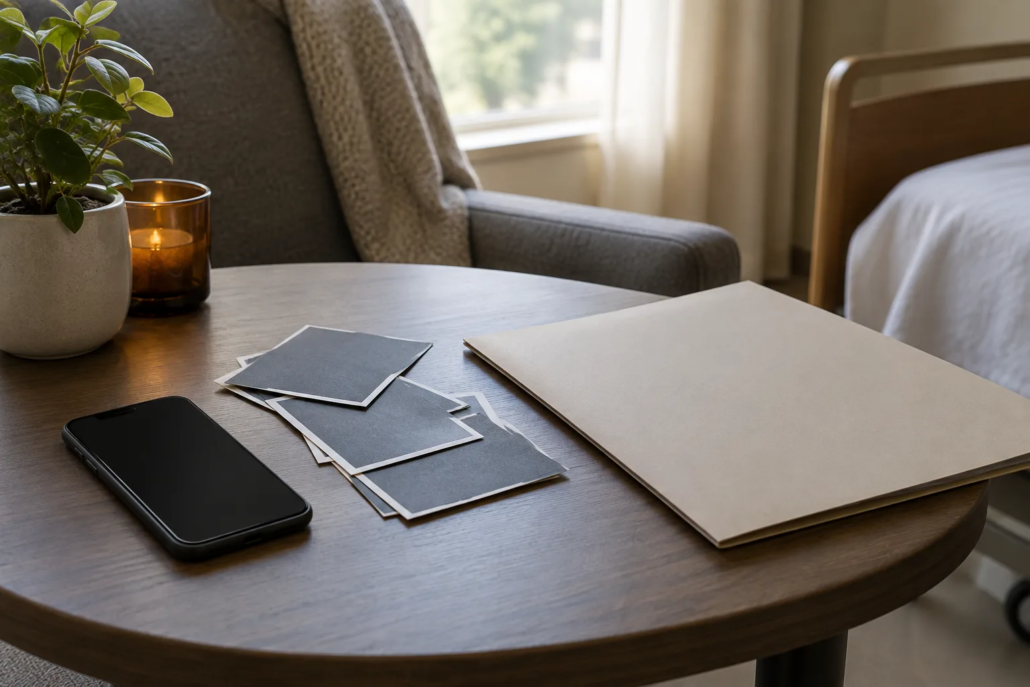
If photographs are appropriate and permitted, ask about the resident’s consent and the facility’s privacy procedures. Use a consistent, respectful approach and record the date and context separately. Avoid including other residents, staff, identifying documents, or private information in the frame. Do not use editing that changes the image; retain the original file and a backup. A photograph can show what was visible at one moment, but it cannot establish a diagnosis or explain the cause.
Record related observations without drawing conclusions
Note other changes you personally observe, such as differences in mobility, hygiene, nutrition-related discussions, or responsiveness. Keep those observations distinct from assumptions about what caused them. Families looking at the broader picture may also find this guide to warning signs of nursing home abuse useful; one sign alone does not prove abuse or neglect.
Preserve Communications and Nursing Home Care Records
A useful timeline includes more than photographs. Save messages, letters, and written responses you receive from the facility. For phone or in-person conversations, make a note soon afterward with the date, the names or roles of people involved if known, the questions asked, and the substance of the response. Label your own recollection as a note, rather than presenting it as a facility record.
Keep the originals of documents you receive and make organized copies for reference. If you are given care summaries, assessment information, or other records, note when and from whom you received them. A family member’s access to records may depend on the resident’s consent, legal authority, privacy rules, and facility procedures. Ask the facility what authorization it requires; do not assume every relative can obtain every record.
For families in Farmington and Washington County, Arkansas, a dated timeline can make it easier to ask focused questions about prevention, repositioning, assessment, and follow-up. It does not replace the care team’s evaluation. If concerns remain, you can ask for a clear explanation and keep a record of the response. Arkansas Department of Human Services (DHS) provides information about reporting adult maltreatment; confirm current reporting options and procedures with the agency.
Families considering whether a pattern raises broader concerns can review signs of nursing home neglect and possible next steps. Keep the purpose of your records clear: preserve what you observed and what was communicated, not prove a conclusion before the facts are understood.
Keep the Timeline Accurate and Avoid Common Documentation Mistakes
A record is more useful when it is specific, orderly, and transparent about its limits. Use a notebook or a secure digital file and keep entries in date order. If you add information later, identify it as a later note instead of making it appear that you wrote it on the original date. Preserve original photo files and messages, and avoid deleting material that may provide context.
Common pitfalls include:
- Guessing at dates, measurements, or details you did not observe. Mark an estimate as an estimate, or leave it out.
- Describing a cause or assigning blame as if it were established. Record what you saw and what someone said, identifying the source.
- Sharing images or health information broadly. Keep sensitive material private and limit access to people who need it.
- Altering photographs, cropping away relevant context, or relying only on a selected image. Preserve originals and make clear if you create a separate copy.
- Delaying notes until memories fade. A short entry made soon after a visit or conversation can be more precise.
If you have questions about the facility’s response, ask specific, neutral questions and keep a copy of any written reply you receive. For example, you might ask what follow-up was discussed or how the care team communicates changes in condition. Avoid treating a family timeline as a substitute for clinical records or a professional assessment. Documentation can help organize a discussion, but it does not alone establish neglect, liability, or the cause of an injury.
When concerns persist, records are difficult to obtain, or you want to understand possible options, you may wish to learn when to contact an Arkansas nursing home abuse lawyer. Any legal questions depend on the specific facts and applicable Arkansas law. Procedures and available resources can change, so confirm current information with the relevant agency or a qualified attorney.
Frequently Asked Questions
Should a family photograph a pressure injury at a nursing home?
Photographs may help preserve what was visible on a particular date, but families should consider the resident’s consent, privacy, and facility procedures first. Do not disturb a dressing or interfere with care to take an image. Keep the original file, note when it was taken, and avoid sharing it unnecessarily. A photograph is not a diagnosis and cannot, by itself, show how an injury occurred.
What details belong in a pressure injury timeline?
Record the date and approximate time, what you personally observed, who was present, and what staff or others told you. Note changes from earlier observations without guessing about their cause. If you make an estimate or add an entry later, label it clearly. Keeping observations, statements, and opinions separate helps readers understand what you directly saw and what you learned from someone else.
Can a family request nursing home care records in Arkansas?
Access may depend on the resident’s permission, your legal authority, privacy requirements, and facility procedures. Ask the facility what authorization it needs and keep a note of the request and response. This article does not determine who is entitled to a particular record. For a situation in Farmington or elsewhere in Arkansas, a qualified attorney or the appropriate agency can address questions specific to the circumstances.
What if the facility’s explanation does not answer the family’s questions?
Keep a factual record of the question, when it was asked, who responded, and what information was provided. You can request clarification in a calm, specific way and preserve any written response. If concerns continue, or you are unsure how to interpret records or available options, consider speaking with a qualified attorney. The appropriate next step depends on the facts, the resident’s wishes, and applicable procedures.
How Elliot & Smith Law Firm Can Help
Elliot & Smith Law Firm is dedicated to helping families understand the information they have gathered and the questions they may want to ask about a nursing home injury. A review of the timeline, communications, and records available to a family may help clarify what issues remain and what options could be considered. The firm is committed to fighting for the rights of people affected by personal injury and nursing home concerns, without promising a particular result. If you have questions about a pressure injury in Farmington, Arkansas, contact Elliot & Smith Law Firm to request a free consultation or case evaluation.
The information in this article is for educational purposes only and does not constitute legal advice. Contact a qualified attorney authorized to practice in the jurisdiction that applies to your matter for advice specific to your situation.


