
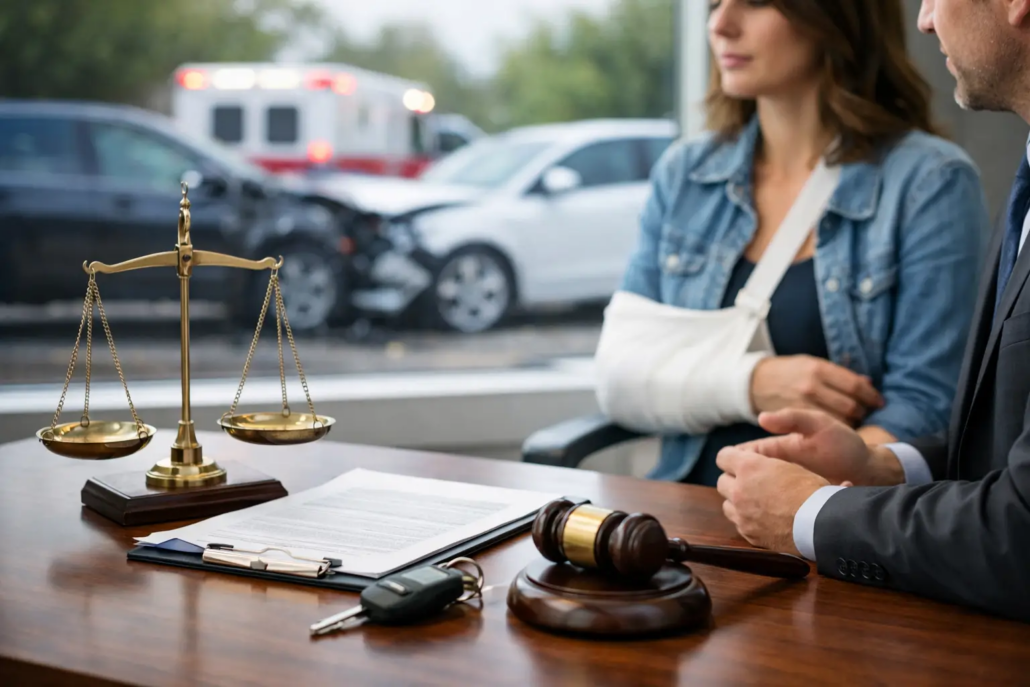
Passenger Injury Claim Rights in Arkansas
A passenger can suffer the same broken bones, head trauma, missed work, and financial pressure as the person behind the wheel. Yet many injured passengers hesitate to act because they do not want to blame a friend, relative, or coworker who was driving. Your passenger injury claim rights are not about creating conflict. They are about holding the responsible insurance coverage accountable for the harm you did not cause.
After a serious Arkansas crash, an insurance company may move quickly to obtain a statement, limit the claim, or suggest that a small early payment is enough. Before you sign anything or accept a check, understand where your claim stands and what compensation may be available.
Passenger Injury Claim Rights After a Crash
In most vehicle collisions, a passenger has a strong starting point because the passenger was not operating either vehicle. That does not automatically mean every claim is simple, but it often means the legal focus is on the drivers, vehicle owners, employers, or other parties whose conduct caused the wreck.
A passenger may have a claim against the driver of the vehicle they were riding in, the driver of another vehicle, or both. For example, if your friend ran a red light, their liability insurance may be responsible for your injuries. If another driver hit your vehicle, that driver’s insurer may be responsible. If both drivers contributed to the collision, both insurance policies may be involved.
The money generally comes from insurance coverage, not directly from a friend or family member’s personal bank account. That distinction matters. You can care about the driver and still protect your ability to pay for emergency treatment, surgery, rehabilitation, lost income, and the lasting effects of a serious injury.
Arkansas follows a modified comparative fault rule. In some cases, insurers will argue that several people share responsibility for a collision. A passenger is usually not at fault for the crash itself, but there can be exceptions. An insurer may raise issues such as knowingly riding with an impaired driver, failing to wear a seat belt, or distracting the driver. Those arguments do not automatically defeat a claim. They require a careful review of the evidence and Arkansas law.
Who May Be Responsible for a Passenger’s Injuries?
The answer depends on how the wreck happened, who owned the vehicles, and the insurance policies available. A passenger claim can become more complicated when a commercial truck, company vehicle, drunk driver, uninsured motorist, or defective vehicle component is involved.
The Driver of Your Vehicle
A driver has a duty to operate a vehicle with reasonable care. Speeding, texting, following too closely, driving while impaired, ignoring traffic signals, or making an unsafe turn can create liability when a passenger is hurt. It does not matter that you accepted a ride or knew the driver personally. You did not waive your right to recover compensation for someone else’s negligence.
Another Driver or Multiple Drivers
Many crashes involve competing stories. One driver says the light was green. Another says they were cut off. A third vehicle may have fled the scene. Police reports are helpful, but they are not always the final word on fault.
An experienced injury lawyer can examine photographs, vehicle damage, witness statements, traffic camera footage, phone records, crash reconstruction evidence, and the vehicles’ data when available. The goal is to build the claim around facts, not the version of events an insurer prefers.
Insurance Coverage Beyond the At-Fault Driver
A single policy may not be enough after a catastrophic crash. Depending on the circumstances, compensation may also be available through uninsured or underinsured motorist coverage, coverage on the vehicle you occupied, or your own household policy. These coverage questions are highly fact-specific. Insurance companies often treat them as technical policy disputes, even when an injured family needs answers and help now.
If a truck driver, delivery driver, or employee caused the collision while working, the company behind that driver may also be part of the claim. Commercial cases demand fast action because valuable evidence can disappear if no one moves to preserve it.
What Compensation Can an Injured Passenger Seek?
A passenger injury claim should account for the full cost of the wreck, not merely the first ambulance bill. Serious injuries can change what work you can do, how you care for your children, whether you can sleep through the night, and how much treatment you will need months from now.
Depending on the facts, compensation may include medical expenses, future medical care, lost wages, reduced earning capacity, physical pain, emotional distress, permanent impairment, disfigurement, and damage to your ability to enjoy daily life. If a crash takes a loved one’s life, surviving family members may have additional rights through a wrongful death claim.
The value of a case depends on the severity of the injury, available insurance, proof of fault, treatment needs, work losses, and many other facts. A lawyer who promises a specific result before investigating the case is not giving you a reliable assessment. What matters is whether your legal team is prepared to document every loss and fight when an insurer refuses to deal fairly.
What to Do Before the Insurance Company Controls the Story
The hours and days after a collision can shape the strength of a claim. Your health comes first. Get medical attention, follow through with recommended care, and tell providers about every symptom, including headaches, dizziness, numbness, anxiety, and pain that worsens over time.
If you can safely do so, preserve what you have. Keep photographs of the scene, vehicles, and injuries. Save medical paperwork, prescription receipts, work-related loss information, and all communications from insurers. Write down what you remember while details are fresh, including who was present, what each driver said, and whether you saw signs of distraction or impairment.
Avoid giving a recorded statement to another driver’s insurance company before getting legal guidance. Adjusters are trained to ask questions that may narrow or weaken a claim. They may sound helpful while looking for language they can use against you later. You are not required to guess about your injuries, speculate about fault, or accept an offer before you know the full consequences of the crash.
Be equally cautious with social media. A photo, comment, or check-in can be taken out of context and used to argue that your injuries are less serious than you say. It is better to keep the details of your recovery private while the claim is pending.
Do Not Wait Too Long to Protect Your Claim
Arkansas generally imposes a deadline for filing personal injury lawsuits, and waiting can damage a case well before that deadline arrives. Witnesses become harder to locate. Video recordings may be erased. Vehicles get repaired or sold. Physical evidence fades, and insurance carriers gain time to build their defense.
There are exceptions and special rules that can affect deadlines, particularly when government entities, minors, or unusual circumstances are involved. That is one reason a prompt case evaluation matters. Waiting for pain to become unbearable or bills to pile up can make an already difficult process harder.
At Elliott & Smith Law Firm, injured passengers can speak with an attorney about what happened, what coverage may apply, and what steps should come next. A free consultation gives you a chance to get answers without adding another bill to your household. If the firm accepts your case, the contingency-fee arrangement means attorney fees are tied to a recovery, not paid upfront.
You did not cause the crash, and you should not be forced to carry its financial consequences alone. Get medical care, protect the evidence, and get clear legal advice before an insurance company decides what your recovery is worth.


